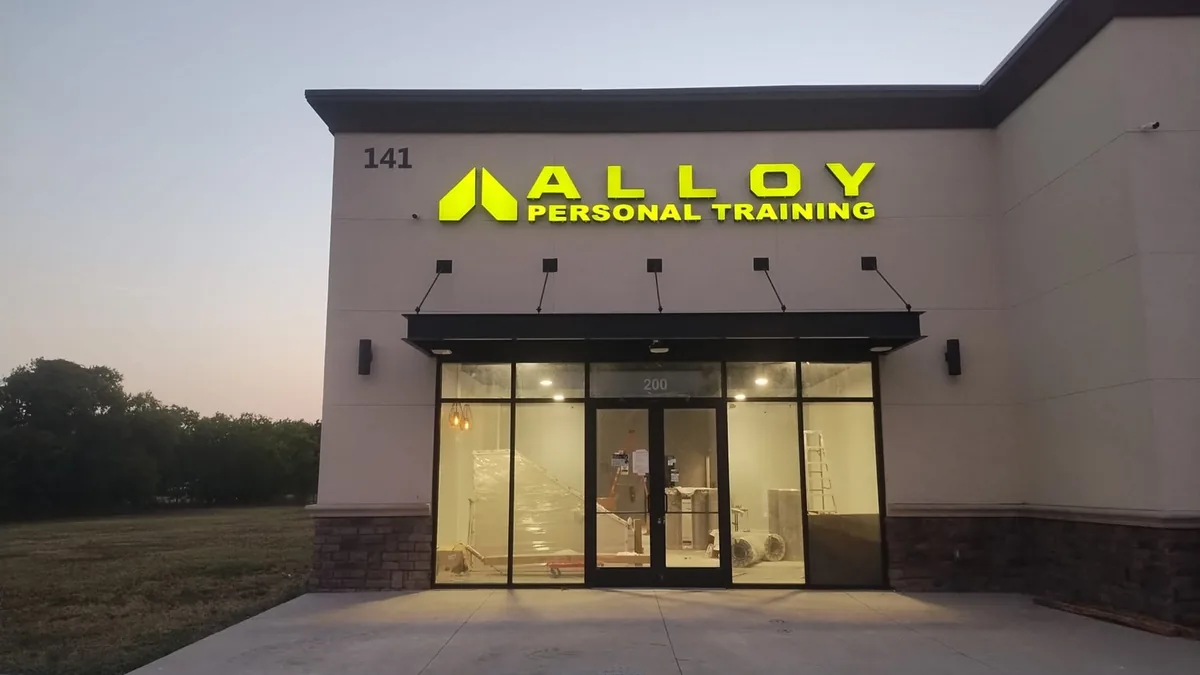
Think about the last time you saw a grand opening banner. Exciting, right? Flags are waving, balloons are bouncing, and the energy is palpable. But what happens *after* opening day? Too often, sign programs are designed with only that initial launch in mind, neglecting the long and dynamic journey of a retail location. A store isn't static; it evolves. It might be acquired, rebranded, or, eventually, closed. Each stage demands a different approach to signage. At National Sign Team, we understand this full lifecycle and provide solutions tailored to every phase, ensuring your brand is always represented effectively and efficiently. Our approach ensures that your investment in signage delivers value far beyond day one.
Conversion Programs: Signage When Companies Merge
Mergers and acquisitions are a common occurrence in the business world. When Company A acquires Company B, a crucial step is integrating the acquired brand into the parent company's ecosystem. This often involves converting existing Company B locations to reflect the branding of Company A. A well-executed conversion program is essential for maintaining customer trust, reinforcing the new brand identity, and ensuring a seamless transition.
Assessing Existing Signage
The first step in any conversion program is a thorough assessment of the existing signage at Company B locations. This includes:
- Inventory: A detailed record of all existing signs, including their type (e.g., storefront signs, interior wayfinding, digital displays), dimensions, materials, and condition.
- Compliance: Verification that all signs meet local regulations and permitting requirements. This is a critical, often overlooked, aspect of sign programs.
- Brand Alignment: Evaluating how well the existing signage aligns with the brand guidelines of Company A. Identifying elements that need to be replaced, updated, or removed.
National Sign Team offers comprehensive site surveys and audits to provide you with a clear picture of your existing signage landscape. These surveys help inform the development of a cost-effective and efficient conversion plan. You can see examples of similar types of work we've completed here: https://www.nationalsignteam.com/our-work
Developing a Conversion Plan
Based on the assessment, a detailed conversion plan should be developed. This plan should outline:
- Signage Design: Creating new sign designs that adhere to Company A's brand guidelines while considering the architectural characteristics of each location.
- Production and Manufacturing: Selecting the appropriate materials and manufacturing processes to ensure high-quality, durable signage. Check out our diverse product catalog here: https://www.nationalsignteam.com/products.
- Installation: Scheduling and executing the installation of new signage, while minimizing disruption to store operations.
- Project Management: Assigning a dedicated project manager to oversee the entire conversion process, ensuring that it stays on time and within budget.
Communication and Coordination
Effective communication is key to a successful conversion program. This includes:
- Internal Communication: Keeping employees of both Company A and Company B informed about the conversion process and its impact on their roles.
- External Communication: Notifying customers about the brand transition and any changes to store hours, services, or locations.
- Vendor Coordination: Working closely with signage manufacturers, installers, and other vendors to ensure seamless execution.
Rebranding at Scale: Updating Signage Without Disruption
Sometimes, a company doesn't get acquired but undergoes a significant rebrand. This might involve a new logo, color palette, messaging, or overall brand identity. Rebranding at scale, especially for businesses with numerous locations, presents unique challenges. The goal is to update signage quickly and efficiently without disrupting ongoing operations or negatively impacting the customer experience.
Phased Rollout Strategy
A phased rollout strategy is often the most effective way to manage a large-scale rebranding effort. This involves prioritizing locations based on factors such as:
- High-Traffic Locations: Starting with stores that have the highest visibility and customer volume to maximize the impact of the rebrand.
- Geographic Regions: Focusing on specific regions to create a concentrated brand presence before moving to other areas.
- Franchise Agreements: Coordinating with franchisees to ensure consistent implementation of the rebrand across all locations.
Minimizing Disruption
To minimize disruption during the rebranding process, consider the following:
- Nighttime Installations: Scheduling sign installations during off-peak hours to avoid interfering with store operations.
- Temporary Signage: Using temporary signage to communicate the upcoming rebrand and manage customer expectations.
- Clear Communication: Providing regular updates to employees and customers about the progress of the rebrand and any temporary inconveniences.
National Sign Team understands the importance of minimizing downtime. Our experienced project managers can develop a detailed implementation plan that keeps your stores operational while ensuring a smooth and efficient transition. We're experts in what we do: https://www.nationalsignteam.com/what-we-do
Consistency and Quality Control
Maintaining consistency and quality control throughout the rebranding process is crucial. This includes:
- Standardized Signage Specifications: Ensuring that all new signs adhere to strict design guidelines and material specifications.
- Regular Inspections: Conducting regular inspections to verify the quality of sign installations and identify any potential issues.
- Ongoing Maintenance: Providing ongoing maintenance services to keep signs looking their best and extend their lifespan.
Debranding and Store Closures: Ensuring Compliant Removal
Unfortunately, not all stores remain open forever. Store closures are a reality of the retail landscape. When a location closes, proper debranding is essential. This involves removing all traces of the brand from the building and surrounding property. Compliant removal is vital for several reasons:
Protecting Brand Reputation
Leaving outdated or damaged signage on a closed store can negatively impact the brand's reputation. It can create a perception of neglect or financial instability. Thorough debranding ensures that the brand's image remains positive, even in the absence of a physical store.
Complying with Lease Agreements
Most lease agreements require tenants to return the property to its original condition upon vacating. This includes removing all signage, fixtures, and other branding elements. Failure to comply with these requirements can result in financial penalties or legal action.
Preventing Liability Issues
Abandoned signage can pose safety hazards, especially if it is damaged or poorly maintained. Removing these signs eliminates the risk of accidents or injuries, protecting the company from potential liability claims.
Sustainable Practices
Responsible debranding also involves sustainable practices. Instead of simply discarding old signs, consider recycling or repurposing the materials. Many signage components, such as aluminum and acrylic, can be recycled and used to create new products. Partnering with a company that prioritizes environmentally friendly disposal methods demonstrates a commitment to sustainability.
National Sign Team offers comprehensive storefront decommissioning and debranding services. Our experienced team will handle every aspect of the debranding process, from sign removal to site restoration, ensuring compliance with all applicable regulations and minimizing environmental impact.
- Permitting: Navigating the complex permitting process for sign removal, ensuring compliance with local regulations.
- Sign Removal: Safely and efficiently removing all exterior and interior signage, including storefront signs, window graphics, and interior displays.
- Site Restoration: Repairing any damage caused by sign removal, such as patching holes in walls or repainting surfaces.
- Waste Disposal: Disposing of old signs in an environmentally responsible manner, prioritizing recycling and repurposing whenever possible.
The lifecycle of a store is a journey, and your signage should adapt at every turn. From the excitement of opening day to the strategic considerations of rebranding and, ultimately, the responsible closure of a location, National Sign Team is your partner every step of the way. We offer comprehensive solutions tailored to your specific needs, ensuring that your brand is always represented effectively and efficiently.
Plan your entire store lifecycle with National Sign Team as your signage partner. Call Mike.
Ready to Elevate Your Signage Strategy?
Take the guesswork out of your next project. Schedule a one-on-one consultation with our expert, Mike, to discuss your multi-location signage needs and discover how National Sign Team can help you scale seamlessly.