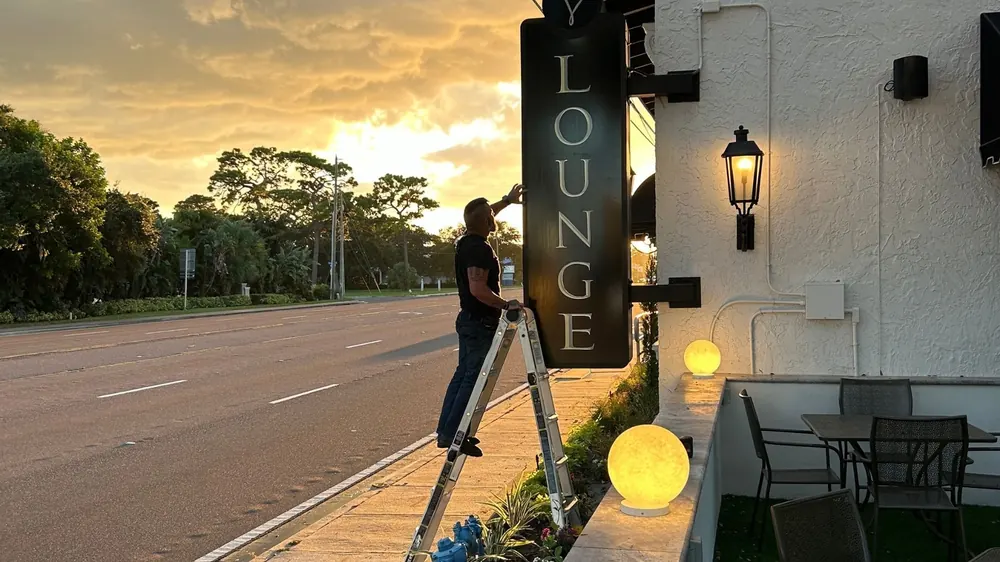
Picture this: Your grand opening is just around the corner, the paint is drying, the shelves are stocked, and excitement is building. Everything seems to be falling into place... until you realize your crucial exterior sign, the one that announces your business to the world, is nowhere to be seen. Or worse, it's stuck in a permitting quagmire, threatening to delay your entire launch. Sound familiar?
For many new businesses and property developers, signage is often treated as an afterthought, an item on the checklist that gets pushed to the very end. This oversight frequently leads to frantic, costly, and incredibly stressful pre-opening preparations. But it doesn't have to be this way.
At National Sign Team, we understand the intricate dance of commercial development, and we're here to show you how a proactive approach to signage planning can transform potential chaos into a smooth, successful launch.
Avoiding Signage Emergencies Before Your Grand Opening
The journey from concept to grand opening is filled with countless details, and it's easy for something as seemingly straightforward as a sign to get lost in the shuffle. However, commercial signage is far more complex than a simple purchase. It's a critical component of your brand identity, wayfinding, and overall customer experience, and it requires careful, early consideration to avoid last-minute emergencies.
The Myth of Quick-Order Signs
One of the biggest misconceptions we encounter is the idea that a custom commercial sign can be ordered and installed in a matter of days or even a couple of weeks. Unlike ordering office supplies or a piece of furniture, high-quality, durable, and effective commercial signage involves a multi-stage process. This includes initial consultation, design, engineering, material sourcing, fabrication, and finally, installation. Each step requires precision and time. Rushing any of these phases can compromise the sign's quality, durability, or even its compliance with local regulations. Thinking you can simply "order a sign" a week before opening is a surefire path to disappointment and delays.
Navigating the Permitting Maze
Perhaps the most underestimated and time-consuming aspect of commercial signage is the permitting process. Every city, county, and often even specific commercial districts, has its own unique set of zoning laws, sign ordinances, and aesthetic guidelines. What's permissible in one area might be strictly forbidden in another. This isn't just about the size or height of a sign; it can include illumination levels, materials, projection distances, and even the type of lettering. Securing a sign permit involves submitting detailed drawings, structural calculations, electrical plans, and often, multiple rounds of revisions and approvals from various municipal departments. This process can easily take weeks, if not months, to complete, and it's entirely out of the control of your sign manufacturer once submitted. Starting this process early is not just recommended; it's absolutely essential.
Integrating Signage into Architectural Blueprints
The ideal time to begin planning your signage is concurrently with your architectural design and build-out planning. When signage is considered alongside your building's overall design, it becomes a seamless part of the structure, rather than an afterthought bolted on at the last minute. This early integration allows for several critical advantages:
Ensures the building can properly support the sign's weight and wind load.
Guarantees that the necessary power sources and conduits for illuminated signs are in place during construction, avoiding costly retrofits.
Allows the sign to complement the building's architecture and your brand's aesthetic, creating a cohesive and professional look.
Addresses potential setback requirements, visibility issues, and other local codes that impact sign placement and design.
By bringing National Sign Team into your project early, we can collaborate directly with your architects and contractors to ensure your signage plan is fully integrated, structurally sound, and compliant from day one. You can explore the diverse range of signage products we offer to see how different types of signs can be integrated into various architectural styles.
Every Project Timeline is Unique
While we can offer general guidelines, it's crucial to understand that every commercial signage project has its own unique timeline. Factors influencing this include:
A simple flat panel sign will have a shorter turnaround than a custom-fabricated, internally illuminated channel letter sign.
Specialty materials, custom finishes, or intricate fabrication techniques will extend production time.
High-rise installations, signs requiring special equipment, or those in busy urban areas might need specific scheduling and permits for installation.
Some cities are faster than others, and the complexity of local ordinances varies significantly.
Understanding these variables upfront allows for realistic expectations and a more effective planning schedule. Reviewing our portfolio of past projects can give you a sense of the variety and complexity involved in different commercial signage solutions.
Planning Needs Project Management: Timeline Transparency for Your Signage
Even with proactive planning, the signage process involves many moving parts. This is where robust project management and transparent communication become invaluable. You need a partner who can not only design and build your signs but also guide you through every step, keeping you informed and confident about your project's progress.
The Value of a Dedicated Project Manager
At National Sign Team, each project benefits from a dedicated project manager. This individual acts as your single point of contact, coordinating all aspects of your signage project from start to finish. They are responsible for:
Overseeing design elements and engineering structural plans.
Managing the permitting application process from submission to approval.
Scheduling precise fabrication and installation timeframes.
Providing regular updates on progress and potential challenges.
Having a dedicated expert streamlines communication and ensures that your signage project stays on track, minimizing the potential for miscommunication or delays.
Key Milestones in Signage Production
A well-managed signage project follows a clear series of milestones. Understanding these stages helps you track progress and anticipate what's next:
Discussing needs, budget, and assessing the physical site.
Creating concepts, detailed drawings, and structural/electrical plans.
Submitting applications and securing approvals. This is often the longest phase.
Manufacturing the sign components in our facility.
Transporting and expertly installing the sign at your location.
Ensuring the sign meets all specifications and local codes.
Your project manager will provide you with a clear timeline outlining these milestones, so you always know where your project stands.
Clear Communication Channels
Effective communication is the backbone of successful project management. We believe in proactive communication, keeping you informed at every critical juncture. This includes regular check-ins, email updates, and immediate notification of any unforeseen challenges or opportunities. We utilize established communication protocols to ensure information flows smoothly between our team, your team, and any other relevant parties, such as your general contractor or landlord.
Anticipating and Addressing Challenges
No construction project, including signage, is entirely without its potential hurdles. Weather delays, unforeseen site conditions, or unexpected permitting requirements can sometimes emerge. A proactive project manager anticipates these possibilities and has contingency plans in place. By identifying potential issues early, we can address them swiftly, often before they impact your overall timeline. This foresight and problem-solving capability are crucial in keeping your grand opening on schedule and your stress levels low.
Integrating Signage Seamlessly into Your Construction Schedule
The ultimate goal of proactive signage planning is to weave it seamlessly into your broader construction or renovation schedule. When done correctly, signage doesn't become a bottleneck; it becomes another well-executed component of your project, ready to shine on opening day.
Start Early: The Golden Rule
We cannot emphasize this enough: start your signage planning as early as possible. Ideally, this should happen as soon as architectural plans for your new build or renovation are being developed. By engaging with National Sign Team during the conceptual phase, we can provide valuable input on design, material selection, and potential permitting challenges that might impact your overall project. Early engagement ensures that signage is allocated appropriate time and budget, preventing it from becoming a rushed expense or a source of delays down the line.
Collaborate with Your Architect and Contractor
Effective collaboration is key. Your sign provider should work hand-in-hand with your architect, general contractor, and even your interior designer. This team approach ensures that:
The building's structure is designed to safely support the weight and wind load of your signs.
All necessary electrical conduits and connections for illuminated signs are installed during the rough-in phase.
Exterior and interior signage complements the building's design and brand identity.
Installation schedules are coordinated with other trades to ensure safe and efficient access.
This integrated approach saves time, money, and prevents conflicts between different trades working on site.
Budgeting for Signage: More Than Just the Sign Itself
When budgeting for signage, it's important to look beyond just the fabrication cost of the sign. A comprehensive budget should include:
Fees for custom designs and structural plans.
Local government charges for application review and approval.
The actual manufacturing of the sign.
Labor, equipment (cranes, lifts), and travel.
Long-term upkeep considerations, especially for illuminated signs.
Accounting for these elements upfront ensures no financial surprises and allows you to invest in high-quality, durable signage that represents your brand effectively for years to come.
Site Visits and Surveys: Critical Early Steps
Before any design work begins, a thorough site visit and survey are crucial. This involves our team visiting your location to take precise measurements, assess existing structures, identify potential challenges (like utility lines or landscaping), and understand the local environment. A detailed site survey ensures that the sign design is perfectly tailored to its surroundings, structurally sound, and compliant with all local regulations from the outset, avoiding costly errors during fabrication and installation.
Reviewing Proofs and Prototypes Diligently
Once designs are created, you'll be presented with proofs and, for complex projects, sometimes even prototypes. Take the time to review these diligently. This is your opportunity to ensure that colors, fonts, sizing, and overall design accurately reflect your vision and brand standards. Catching any discrepancies at this stage, before fabrication begins, is far more efficient and cost-effective than making changes once the sign has been manufactured.
The grand opening of your business is a momentous occasion, a culmination of hard work, vision, and dedication. Don't let last-minute signage scrambles overshadow this exciting milestone. By embracing proactive planning, engaging with a knowledgeable partner like National Sign Team early in your project, and integrating signage into your construction schedule, you can eliminate pre-opening stress and ensure your business makes a powerful, professional first impression.
Ready to Ensure a Stress-Free Grand Opening?
Let's talk about your project and how we can bring your vision to life, on time and on budget.
Book a sign consultation with Mike today: