Rebranding Multi-Site Locations Without Chaos
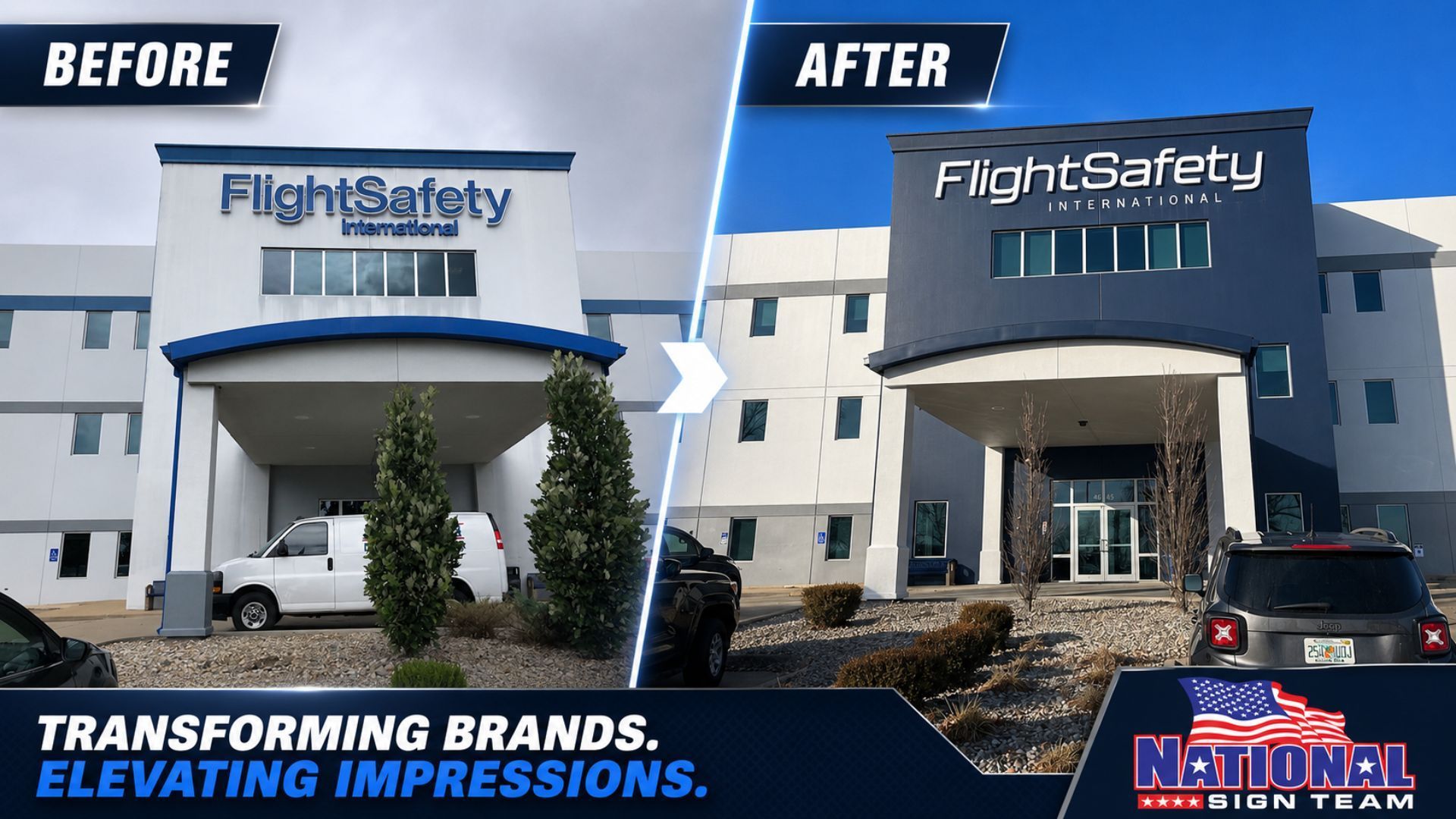
Rebranding Multi-Site Locations Without the Chaos
Rebranding one location can be challenging. Rebranding dozens, hundreds, or even thousands of locations is an entirely different undertaking.
Without the right system in place, inconsistencies begin to appear. One location uses the wrong shade of a brand color. Another installs signage made from different materials. A third location falls behind because of permitting delays. Meanwhile, internal teams are chasing vendors, reviewing proofs, resolving installation issues, and trying to determine which locations are actually complete.
It does not have to work that way.
At National Sign Team, we help multi-site brands simplify the rebranding process through centralized planning, production, project management, and installation coordination. The result is a more consistent brand presence, fewer surprises, and a rollout that keeps moving without placing the entire burden on your internal team.
Why Inconsistent Multi-Site Branding Costs More Than You Think
Imagine a customer visiting two locations from the same brand.
At the first location, the signage is clean, modern, properly illuminated, and perfectly aligned with the company’s new brand standards. At the second location, the colors are slightly off, the sign looks dated, or the materials do not match the quality of the first location.
Even when the differences seem minor, customers notice them.
Those inconsistencies can weaken the overall brand experience and create questions about the company behind it. If the outside of two locations looks noticeably different, customers may begin to wonder whether the quality of the products, services, or customer experience will also vary.
A multi-site rebrand is not simply about replacing signs. It is about protecting the consistency and credibility of your brand across every market you serve.
Your Signage Shapes the First Impression
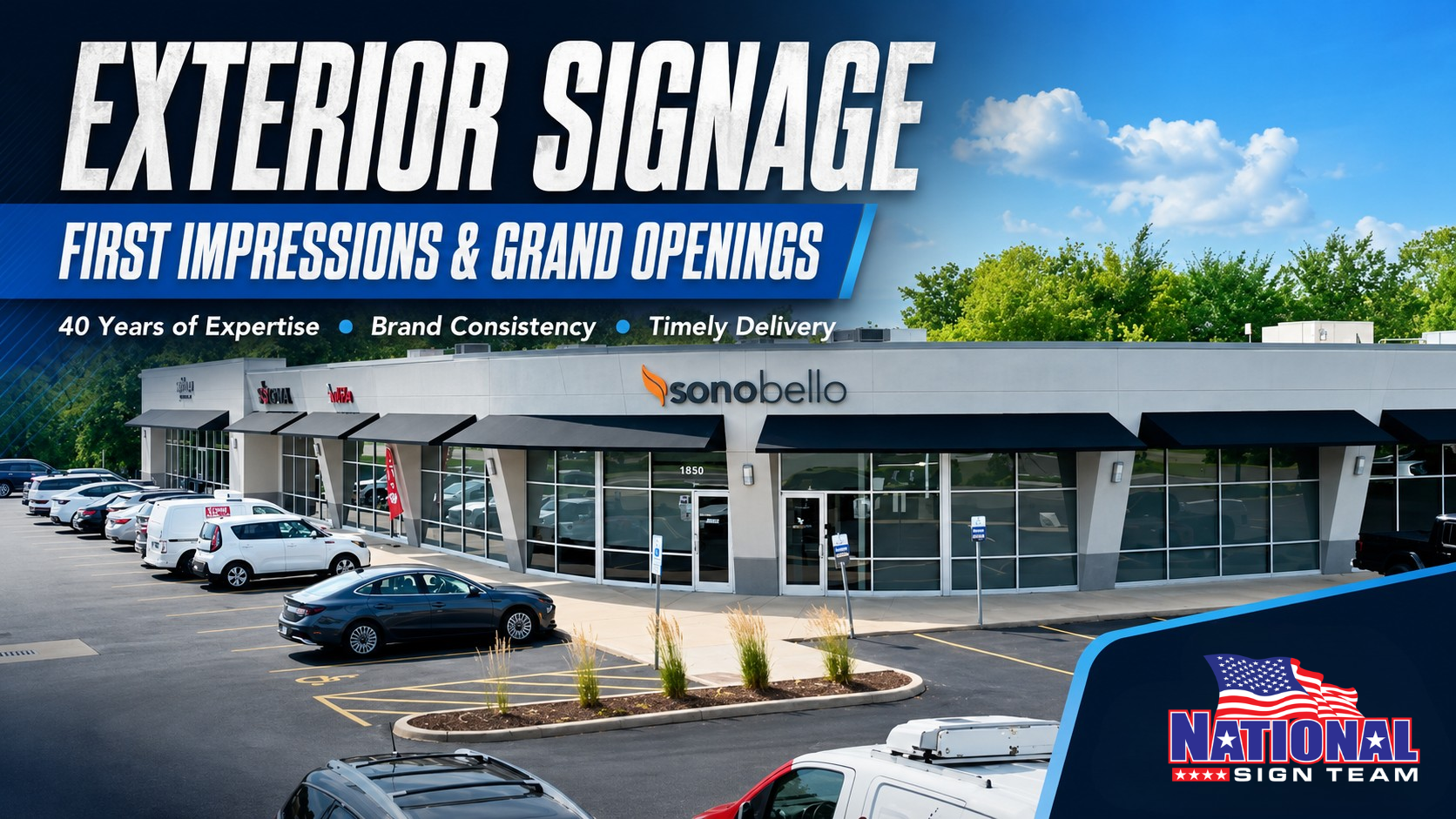
Exterior signage is often the first interaction a customer has with your business. Before they walk through the door or experience your products, they see your building, storefront, monument sign, directional signs, or illuminated brand elements. That signage communicates something immediately. It can communicate professionalism, quality, stability, and attention to detail. It can also communicate inconsistency, neglect, or a lack of coordination. For brands with locations across multiple cities or states, a consistent visual identity helps build familiarity. That consistency is especially important during a rebrand. Your new identity needs to appear intentional and complete, not partially implemented or interpreted differently from one location to the next.
Consistency Builds Customer Trust
Customers are more comfortable with brands that provide a predictable experience. They expect the same logo, colors, messaging, and level of professionalism at every location. When those elements remain consistent, the brand feels established and dependable. Inconsistent signage introduces uncertainty. A location with faded colors, outdated branding, poor illumination, or mismatched materials can make the entire organization feel fragmented. A successful multi-site rebrand creates a seamless visual experience. Each location may have different architectural requirements, site conditions, and local regulations, but the brand itself should remain recognizable and unified.
The Operational Cost of a Fragmented Rebrand
Brand inconsistency is only one part of the problem. A fragmented rebranding process can also create significant operational challenges behind the scenes.
When regional teams independently source local sign companies, each vendor may use different materials, suppliers, fabrication methods, installation standards, and color-matching processes. Even when everyone receives the same brand guidelines, the final results can vary.
Common problems include:
- Differences in sign construction and material quality
- Inaccurate or inconsistent brand colors
- Varying illumination levels
- Conflicting production and installation timelines
- Permit delays that are discovered too late
- Increased shipping, labor, and project costs
- Repeated proofing and approval requests
- Limited accountability when problems occur
Internal teams spending hours tracking individual vendors. Instead of focusing on marketing, operations, expansion, or customer experience, your team becomes responsible for managing a collection of disconnected sign projects.
That is where a national sign management partner can make a measurable difference.
Centralized Production Versus Fragmented Execution
The most effective way to maintain brand consistency across multiple locations is to centralize the process.
A centralized sign program creates one set of standards for production, materials, colors, quality control, communication, and installation. Rather than asking numerous local vendors to interpret your brand independently, the project is managed through one coordinated system. This gives your organization greater control over how the brand is represented at every location.
It also creates a clear point of accountability. Your team knows who is managing the project, where each location stands, and who is responsible for resolving issues when they arise.
The Problems With Using Multiple Local Vendors
Local sign companies can be valuable for individual projects. The challenge appears when a multi-site rebrand depends on dozens of separate vendors operating without centralized oversight. Each company may have different equipment, preferred materials, suppliers, production capabilities, and installation practices. These differences can lead to:
Signs may look similar when first installed but age very differently. Lower-quality materials may fade, crack, warp, or require replacement sooner than expected.
Maintaining exact brand colors becomes more difficult when signs are produced using different printers, inks, paint systems, vinyl suppliers, and fabrication environments.
Illuminated signs may use different LEDs, power supplies, cabinets, faces, or mounting systems. These variations can affect appearance, brightness, and maintenance needs.
Every additional vendor creates another schedule, point of contact, contract, invoice, proofing process, shipping plan, and installation timeline that someone must manage.
When a project involves multiple companies, determining who is responsible for a delay or error can become difficult. Problems may be passed between the manufacturer, shipper, and installer.
The Value of a Centralized Sign Program
A centralized approach allows National Sign Team to manage your rebrand as one coordinated program rather than a collection of unrelated projects. Every location is still evaluated individually, but the overall brand standards remain consistent.
- Consistent Brand Standards: Approved designs, specifications, colors, materials, and fabrication requirements are documented and followed throughout the program.
- Accurate Color Matching: Consistent production standards and material sourcing make it easier to maintain approved brand colors across different sign types and locations.
- Standardized Materials: Using consistent material specifications helps improve appearance, durability, maintenance planning, and long-term performance.
- Greater Purchasing Efficiency: Centralized planning and production can create opportunities for bulk material purchasing, more efficient scheduling, and reduced duplication.
- Stronger Quality Control: Signs can be reviewed against approved specifications before they are shipped to the installation site.
- One Project Management System: Instead of managing numerous local vendors, your team works with one coordinated project management structure, simplifying communication.
A Clear Roadmap for Multi-Site Rebranding
Producing the signs is only one part of a national rebrand. The rollout also requires site surveys, code research, landlord approvals, permitting, shipping, removal of existing signage, installation scheduling, site restoration, inspections, and final documentation.
These moving parts must be coordinated carefully to keep the program on schedule and minimize disruption at each location. National Sign Team helps manage the rollout from the initial survey through final completion.
Site Surveys and Early Planning
A successful rollout begins with accurate information. Before production starts, each location should be evaluated to identify its specific requirements. A comprehensive site survey may evaluate existing dimensions, building materials, electrical access, local sign codes, zoning restrictions, landlord requirements, and equipment needs. This information helps the project team identify potential roadblocks before they delay production or installation.
Permitting and Code Compliance
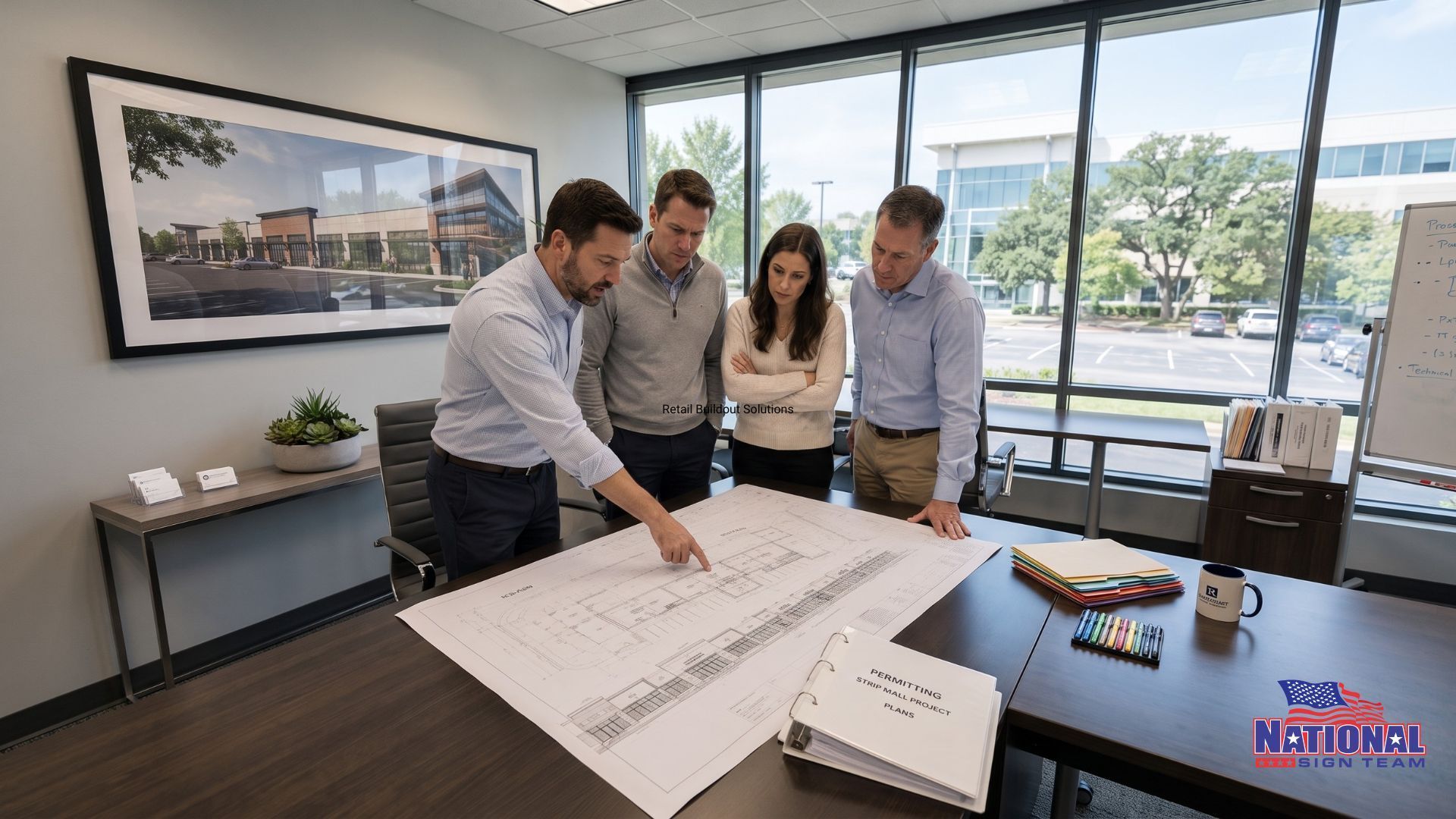
Permitting is one of the most common sources of delay in a multi-location signage project. Requirements vary by city, county, municipality, and landlord. A coordinated permitting strategy helps ensure that the correct documents are prepared, applications are submitted, revisions are addressed, and approvals are tracked. This process may include code research, engineered drawings, electrical permits, and variance requests.
Debranding and Removing Existing Signage
A rebrand is not complete until the old brand has been properly removed. Existing signs, graphics, wall elements, and branded fixtures must be taken down safely using correct equipment and procedures. The debranding process also involves responsible disposal or recycling, surface repair (patching, painting, or sealing), and providing temporary branding while permanent signs are being produced.
Coordinated Production, Shipping, and Installation
Once site requirements are confirmed, production and installation must be carefully coordinated. Signs should arrive when the installation team is ready. We coordinate logistics across locations, including production scheduling, packaging, freight, delivery, installer scheduling, and final inspections. A delay at one site should not create confusion across the entire program.
Qualified Installation Teams
A well-manufactured sign can still create problems when it is mounted incorrectly, wired improperly, or poorly aligned. Qualified installation teams should understand the specific sign type, local requirements, equipment needs, and site conditions. Installations may require licensed electrical work, cranes, traffic control, roof access, or off-hours scheduling.
Quality Assurance After Installation
The project is not finished simply because the sign is attached to the building. Each installation should be reviewed to confirm that the signage is properly positioned, securely mounted, correctly illuminated, and aligned with approved plans. This includes completion photographs, electrical verification, and identification of any remaining punch-list items.
Clear Communication Throughout the Rollout
One of the biggest frustrations during a multi-site rebrand is not knowing what is happening. Which locations have been surveyed? Which permits are approved? Which signs are in production? Which installations are scheduled?
A strong project management process provides clear updates throughout the rollout. Your team should not have to contact dozens of vendors to assemble a basic progress report. Information should be organized through a centralized system with a dedicated point of contact who understands the entire program. This allows your marketing, facilities, construction, and operations teams to remain informed without becoming responsible for every daily detail.
Minimizing Disruption to Daily Operations
Rebranding work often takes place at active businesses. Customers still need to enter the location, employees still need to work, and parking lots must remain accessible. Installation schedules should account for the daily operations of each site. Depending on the location, work may be completed during off-hours, overnight, or in carefully planned phases to complete the transition safely and efficiently.
The Advantage of One Point of Contact
Perhaps the greatest advantage of working with a national sign management company is simplicity. Instead of coordinating separate surveyors, manufacturers, permit specialists, freight providers, installers, and local vendors, your team has one primary point of contact responsible for overseeing the program.
That dedicated project management structure helps simplify communication, improve accountability, reduce duplicated work, identify problems earlier, and standardize reporting. When a challenge arises, your team knows exactly who to contact.
Turn a Complex Rebrand Into a Coordinated Program
Rebranding multiple locations is a significant undertaking. It involves far more than manufacturing and installing new signs. Every location has its own measurements, regulations, property requirements, and operational needs. Without a centralized system, those differences can quickly turn into inconsistent branding, missed deadlines, budget issues, and unnecessary work for your internal team.
National Sign Team brings the planning, production coordination, project management, and national installation capabilities needed to manage the process from beginning to end. Our goal is to help you roll out your new brand consistently, efficiently, and professionally across every location.
Your brand should look just as strong at location 100 as it does at location one.
Let's discuss your project