One partner,
every location.
Multiple projects add a layer of complexity to sourcing, fabrication, and installation.
Your sign partner has to coordinate their effort to ensure a smooth transition across multiple locations, so you need to choose a national sign company with a proven track record and experience. A multi-site signage rollout is not forty sign projects. It is one program: one design intent, one point of accountability, one schedule, and one place to see where every location stands.
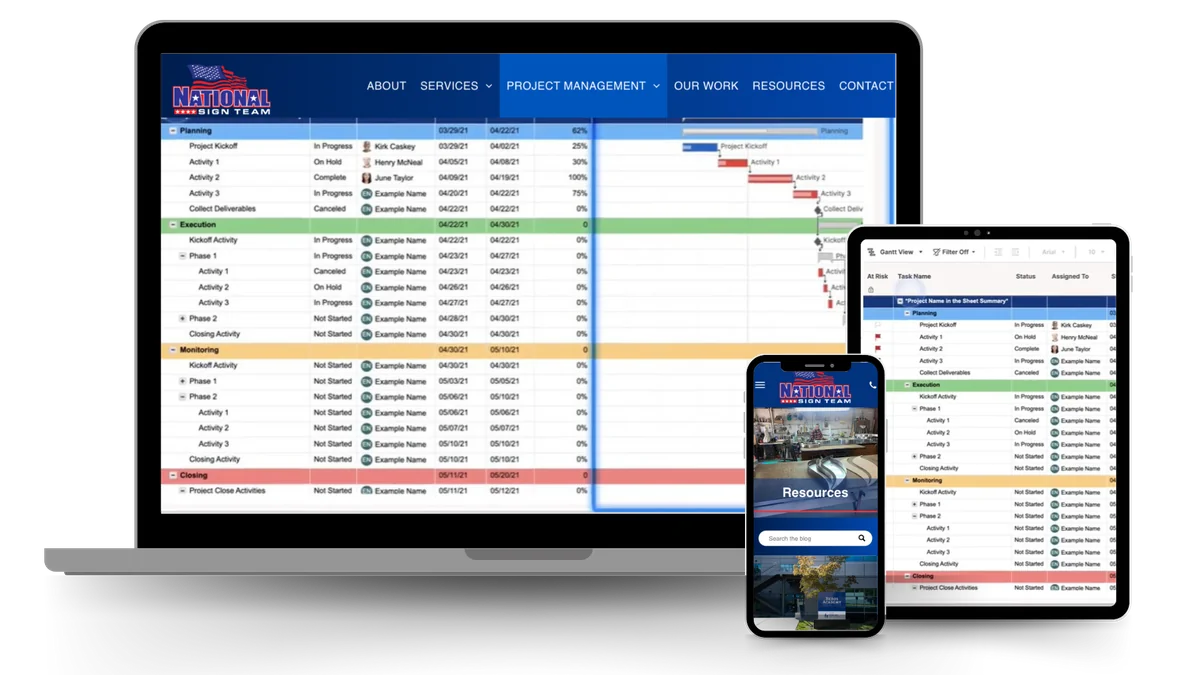
National Sign Team plans, permits, fabricates, and installs to one spec, coast to coast, and you track all milestones in real time through our online project management system.
What a multi-site signage rollout involves
Pre-planning is essential and execution is paramount. These are the six stages every location moves through, in order, with the milestones visible to you as each one closes.
Stage 1: Site surveys and inventory
Accurate survey data before anything is fabricated: access, mounting, power, and an inventory of the signage already on every site. Surveys are where a rollout is won or lost, because every surprise found later costs a change order.
Stage 2: Brand book and design
Sign specifications documented so materials, finishes, illumination, and color stay consistent from site to site. Our designers use the free space allowed by each local code while keeping your brand integrity intact.
Stage 3: Permitting and landlord approvals
Every city, county, and jurisdiction is different. We research the code, file the drawings, coordinate with landlords and on-site staff, and carry each permit through to approval. This is usually the longest step and the one most often underestimated.
Stage 4: Fabrication to one spec
Sourcing and fabrication coordinated across the program so location twelve matches location one. Manufacturing and budgetary reviews, value engineering, and prototyping happen before production runs.
Stage 5: Phased installation
Installs scheduled by region and phased to your budget and timeline, including after-hours work and site conditions unique to each location. We have managed thousands of installations across the country.
Stage 6: Close-out and beyond
Completion photos and documentation for every site, then the same team for maintenance, the rebrand when your identity changes, and clean removal when a lease ends.
Six ways a multi-site rollout slips
Every one of these shows up before the first sign is built. A program partner is hired to remove them from your desk.
Planning stays inside one team
Internal teams know the brand, but a rollout also needs code, landlord, and fabrication knowledge for every market. Planning without that input leads to missed details and dates that slip.
The survey gets skipped
A bid without a survey finds the problems in the field, on your schedule. Access, power, and existing signage all have to be known before the first sign is built.
Permitting is an afterthought
Install dates promised without a permit strategy are fiction. Every jurisdiction has its own timeline, and a city that sends back corrections can hold up an opening.
One shop per market
A different local shop in each city means different interpretations of the same brand standard. Fabrication can be regional; management cannot be scattered.
No per-site breakdown
A single lump sum hides what each location actually costs. You cannot phase, prioritize, or verify what you cannot see line by line.
Nobody can see status
On forty sites you need to know today which are permitted, which are fabricated, and which just got a landlord objection. A phone call when you ask does not scale.
The sign types that carry a multi-site program
Most rollouts mix several of these across the portfolio: channel letters on the freestanding sites, blade signs in the urban ones, window graphics everywhere. The brand book keeps them reading as one brand. See the full sign products catalog for specs.
Channel Letters
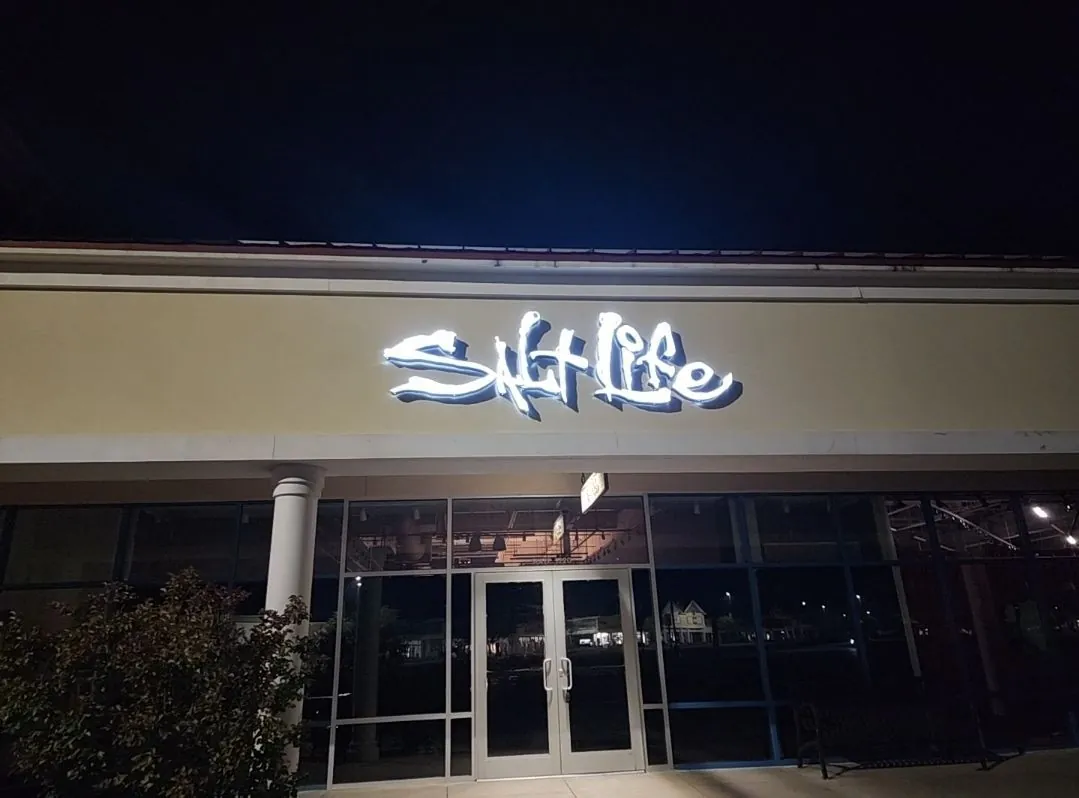
Channel letters are a type of illuminated signage that is perfect for businesses that want to make a statement. These letters are three-dimensional, and the lighting can be either front-lit, back-lit, or both. They’re often used for storefronts and businesses that operate after dark.
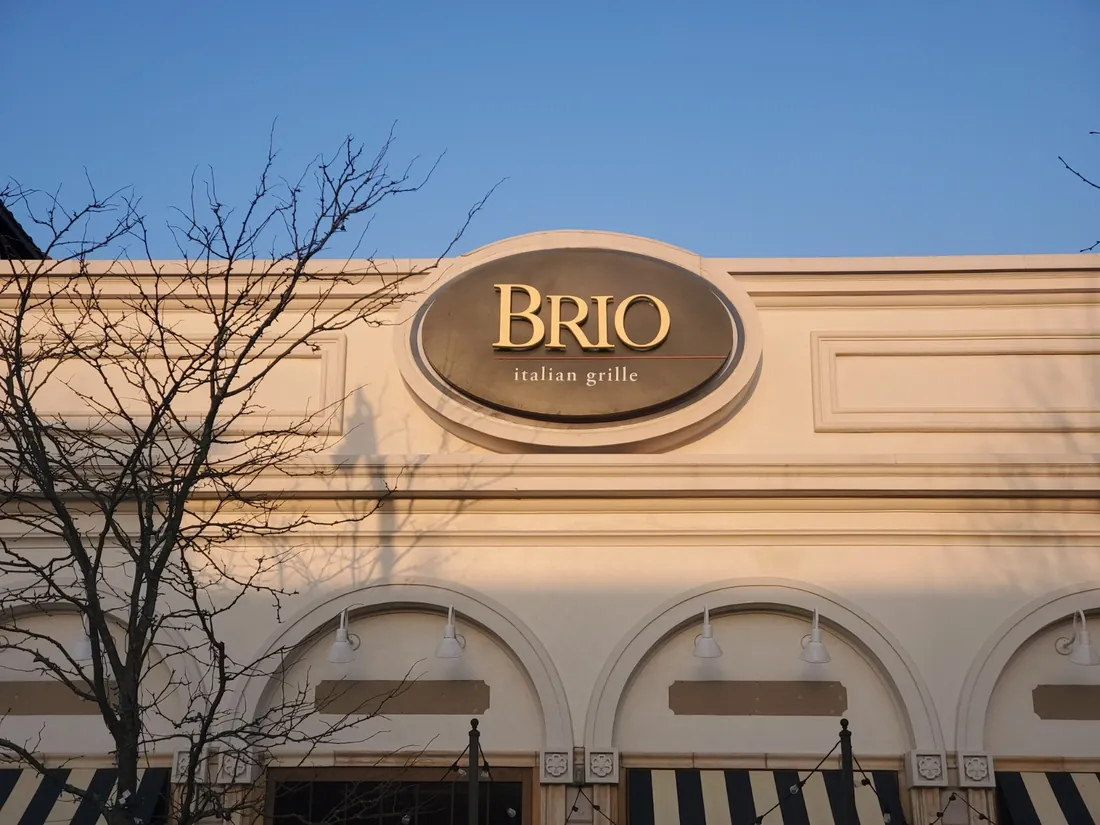
Halo Illumination
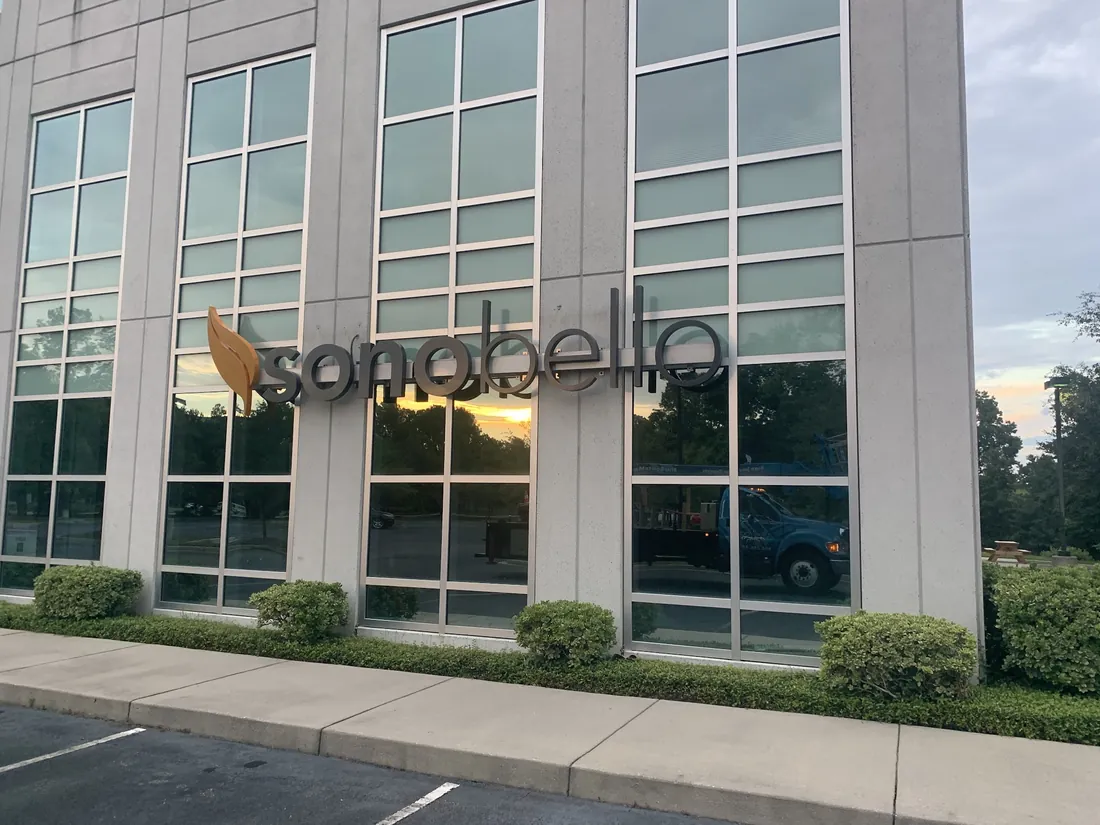
Halo illumination is a type of backlighting that creates a halo effect around the letters or logo.
This effect is achieved by placing the light source behind the letters or logo and pointing it toward the wall. This type of signage is perfect for businesses that want a subtle, yet eye-catching effect.
Push Through Cabinets
Push through cabinets are a type of illuminated signage that’s similar to channel letters. The main difference is that push through cabinets have an acrylic face that is pushed through the metal cabinet, creating a three-dimensional effect. The lighting can be either front-lit, back-lit, or both.
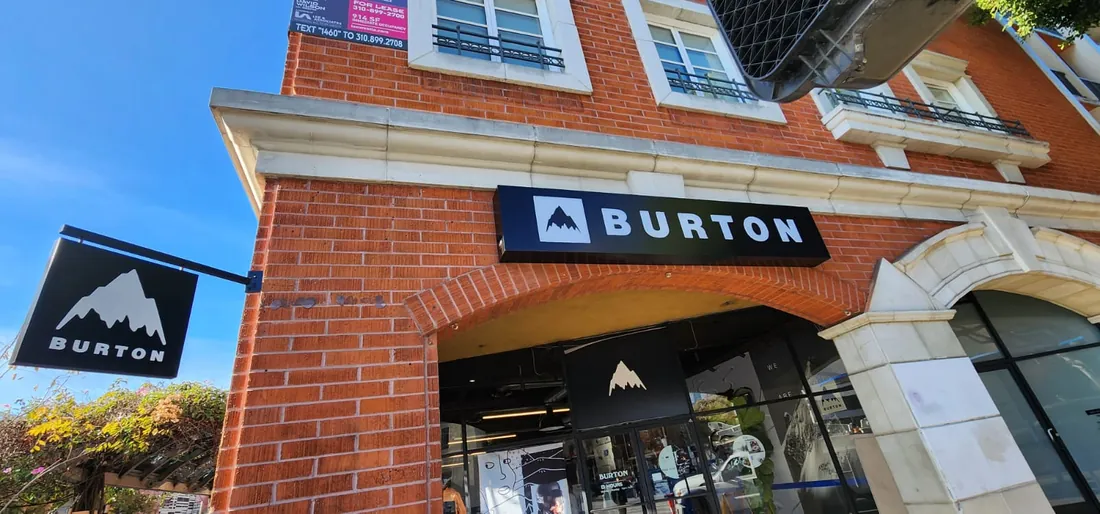
Blade Signs
Blade signs are a type of projecting sign that’s mounted perpendicular to the building’s façade. They’re often used in urban areas or places where foot traffic is high. Blade signs can be illuminated or non-illuminated and can be customized to fit your brand.
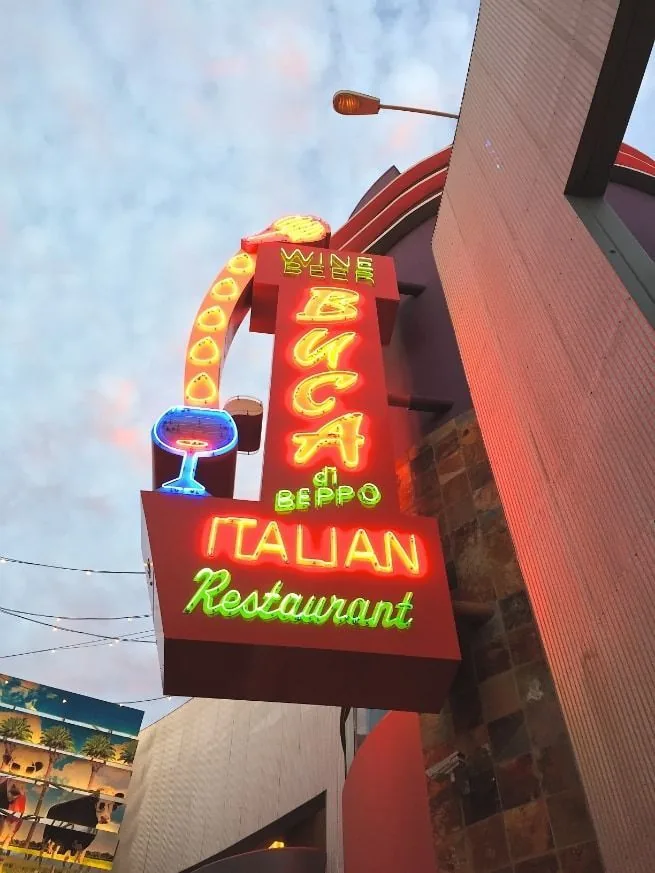
Neon
Neon signage has been around for over a century and is still popular today. This type of signage is made of glass tubes filled with gas and can be molded into almost any shape. Neon signs are perfect for businesses that want a vintage or retro vibe.
Faux neon, also known as LED neon, is a modern take on traditional neon signage. Instead of glass tubes filled with gas, faux neon signs use LED lights to create the same effect. Faux neon signs are more durable than traditional neon signs and can be customized to fit your brand.
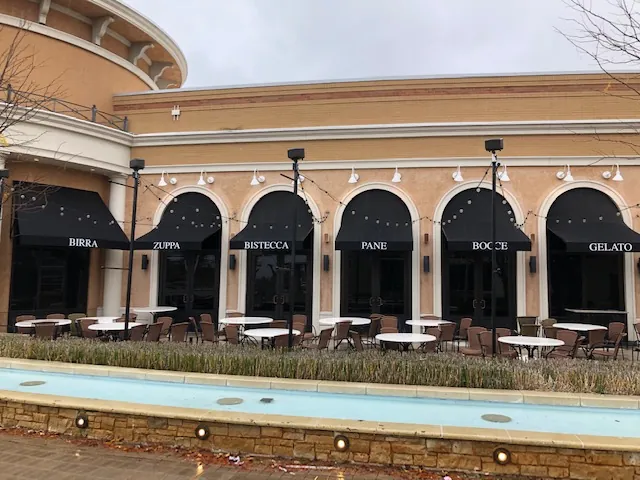
Awnings
Awnings are a type of signage that is perfect for businesses that want to provide shade or protection from the elements. They can be customized with your brand message and can be illuminated or non-illuminated. Awnings are often used in storefronts, restaurants, and cafes.
Digital Graphics
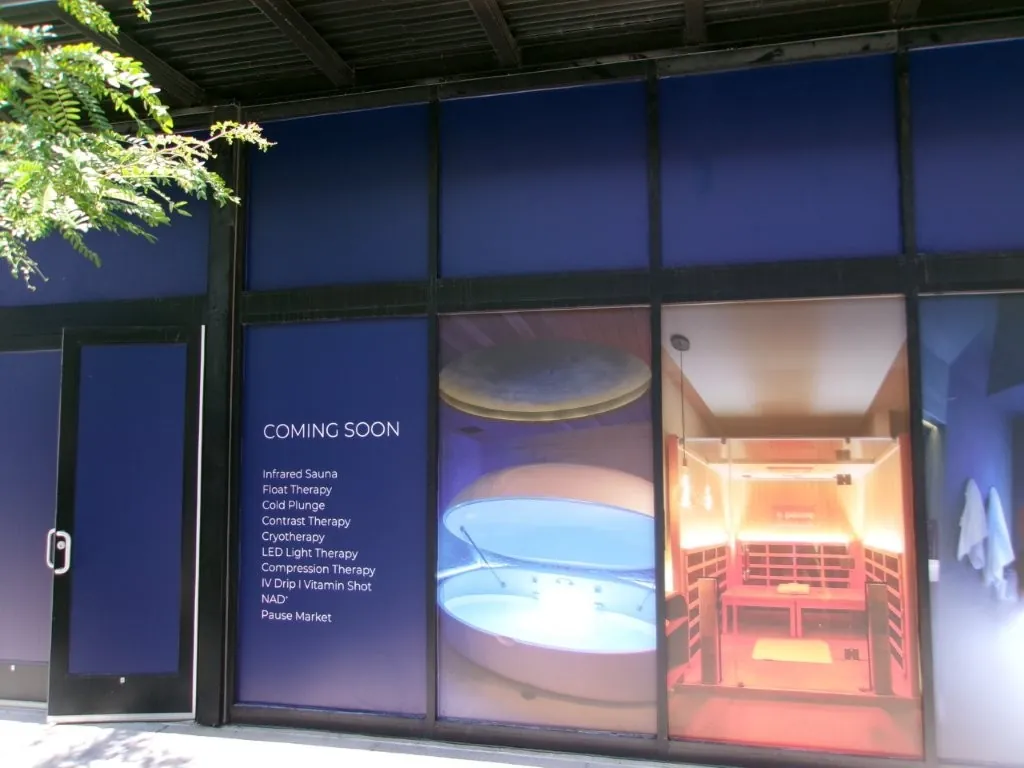
Large digital graphics are a type of signage that uses digital printing to create large-scale graphics that can be applied to almost any surface. They’re perfect for businesses that want to create a unique and eye-catching display. Large digital graphics can be used both indoors and outdoors and can be customized to fit your brand.
How we keep every location on one spec
- Single point of contact for the whole program
- Brand book and cut sheets so every market builds the same sign
- Permitting and landlord approvals handled at every location
- Installs phased by region to your budget and timeline
- Online project tracking with 24/7 access to every milestone
- The same team for maintenance, rebranding, and decommissioning
Bagels & Co: a new location, on brand from day one
Bagels & Co is a fast-casual bagel and deli brand with a bold, easily recognized identity, and every new site has to read like the ones before it. For the Tampa location on E Fowler Ave, National Sign Team handled the face-lit channel letters on the facade and the tenant panel on the Terrace Center pylon as one project: permits with the city, approvals with the landlord, fabrication to brand spec, and installation.
It is the same program a growing brand runs across ten sites or a hundred: one point of contact, one set of standards, and the sign up when the doors open.
Read the Bagels & Co Spotlight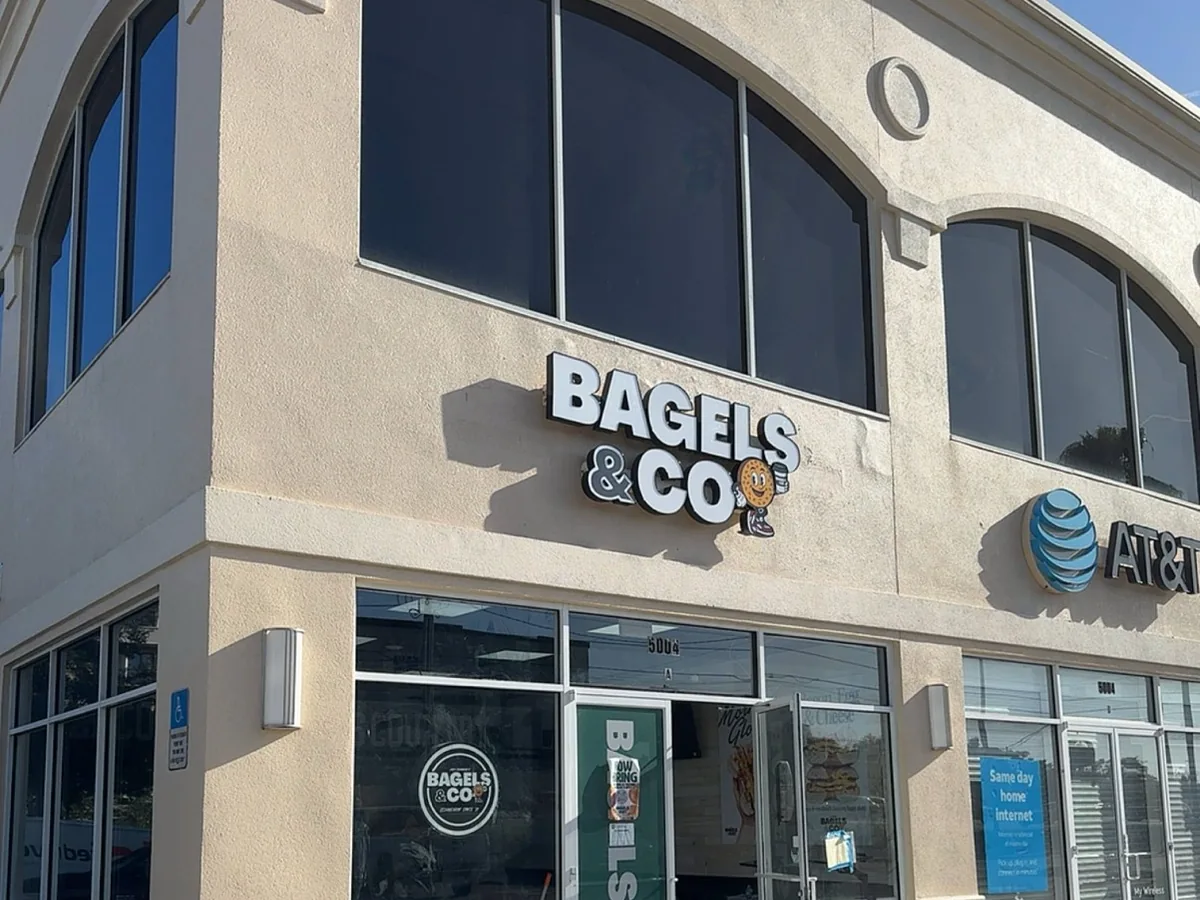
Rollouts we have run
Multi-Site Signage Rollout FAQs
What is a multi-site signage program?
A multi-site signage program is one plan for planning, designing, permitting, fabricating, and installing signage across many locations. Instead of buying signs one address at a time, every site runs on the same brand standards, the same schedule, and the same point of contact, and you track every milestone in one place.
How is a multi-site signage rollout different from a single-site sign project?
On a single sign you know it is done when it is on the wall. On a rollout, sourcing, fabrication, permitting, and installation have to be coordinated across locations in different states with different codes and landlords. The management, not the fabrication, is what changes.
How long does a multi-site signage rollout take?
It depends on the number of locations, the sign types, and permitting in each jurisdiction. Permitting is usually the longest step. Completing surveys and brand standards first keeps fabrication and installation moving, and installs are phased by region to your budget and timeline.
Who handles brand signage rollouts for multi-site restaurant and retail operators?
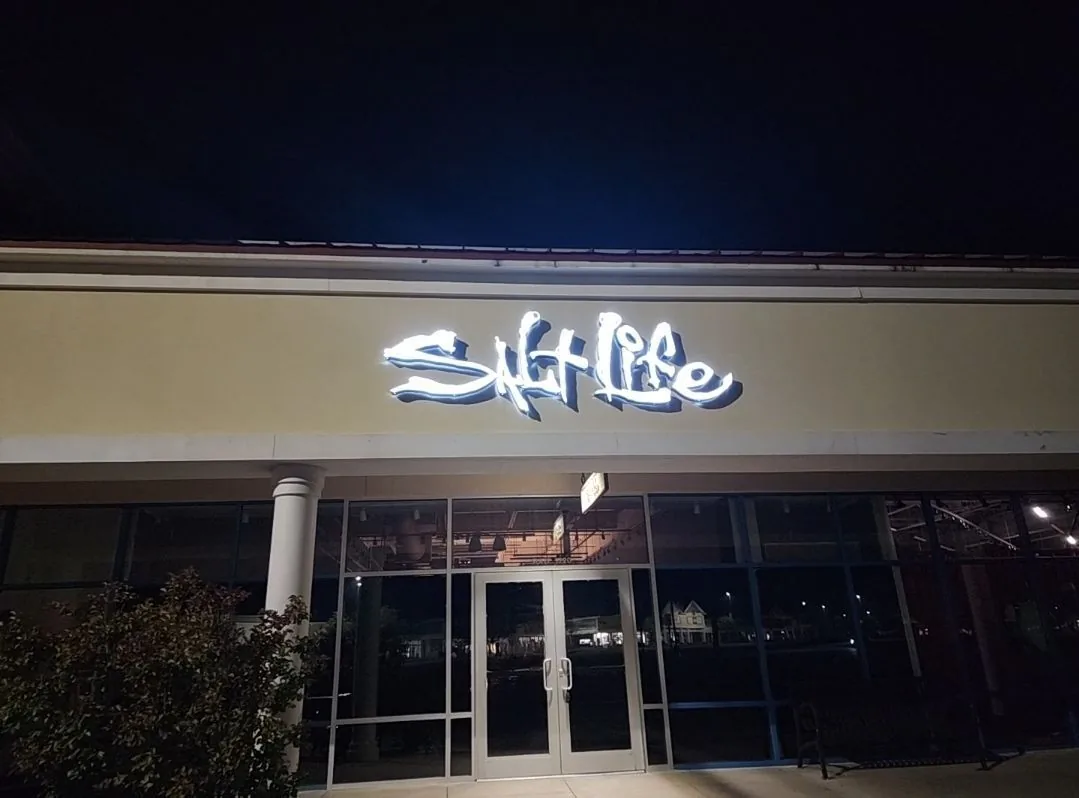
National Sign Team, a national sign company that manufactures, manages, and installs signage throughout the United States for restaurant, retail, fitness, healthcare, and self storage brands, including Planet Hollywood, Hard Rock Cafe, Chicken Guy, Bagels & Co, Stretch Zone, and Salt Life.
Do you handle permitting and landlord approvals for every location?
Yes. Permit research, landlord approvals, and coordination with on-site staff are part of the program at every location, with 30 years of permitting experience and connections throughout the United States.
Can a rollout be phased?
Yes. Installs are scheduled by region and phased to your budget and timeline, so a program of any size moves to a single plan without leaving locations mismatched for months.
How do I see progress across all of my locations?
Through our online project management system, with 24/7 access to every milestone reached and every milestone upcoming, for every site in the program.
What if some locations are new builds and others need a rebrand?
They run in the same program. New locations get new signage; existing ones move through our rebranding process with surveys, inventory, removal, and installation of the new identity, all on one schedule.
Rolling out across multiple locations?
Tell us about your locations and timeline. We plan, permit, fabricate, and install to one spec, coast to coast, and you track every milestone in real time.