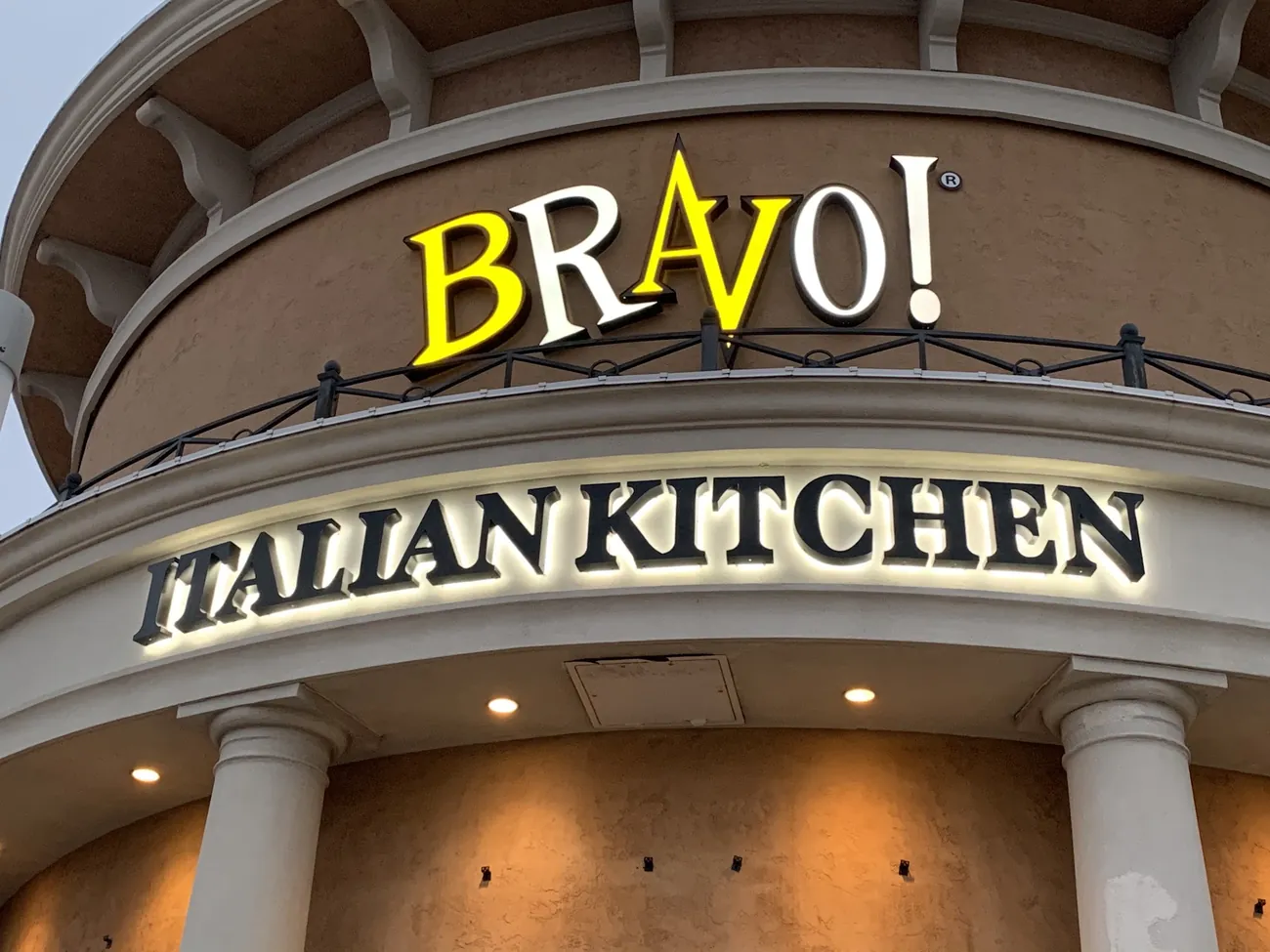
Your signs are
still out there.
Every night, in weather, being judged from sixty feet away.
A rollout spends months making signage consistent. Brand books, cut sheets, site drawings, color and illumination specs, a survey of every location. Then the program closes, and from that day the standard erodes at the speed your signs degrade.
Maintenance holds it. We keep signs clean, lit and structurally sound across the estate, and we do it with the survey data, specs and mounting details already on file from the original multi-site signage program.
What we keep on top of
Four jobs recur on any estate. Run them on a schedule and most emergency calls stop happening.
Scheduled cleanings
Dirt, grime and weather damage build up faster than anyone expects, and they change how a storefront reads long before anything breaks. Regular cleanings keep signs looking fresh and professional.
Lighting repairs
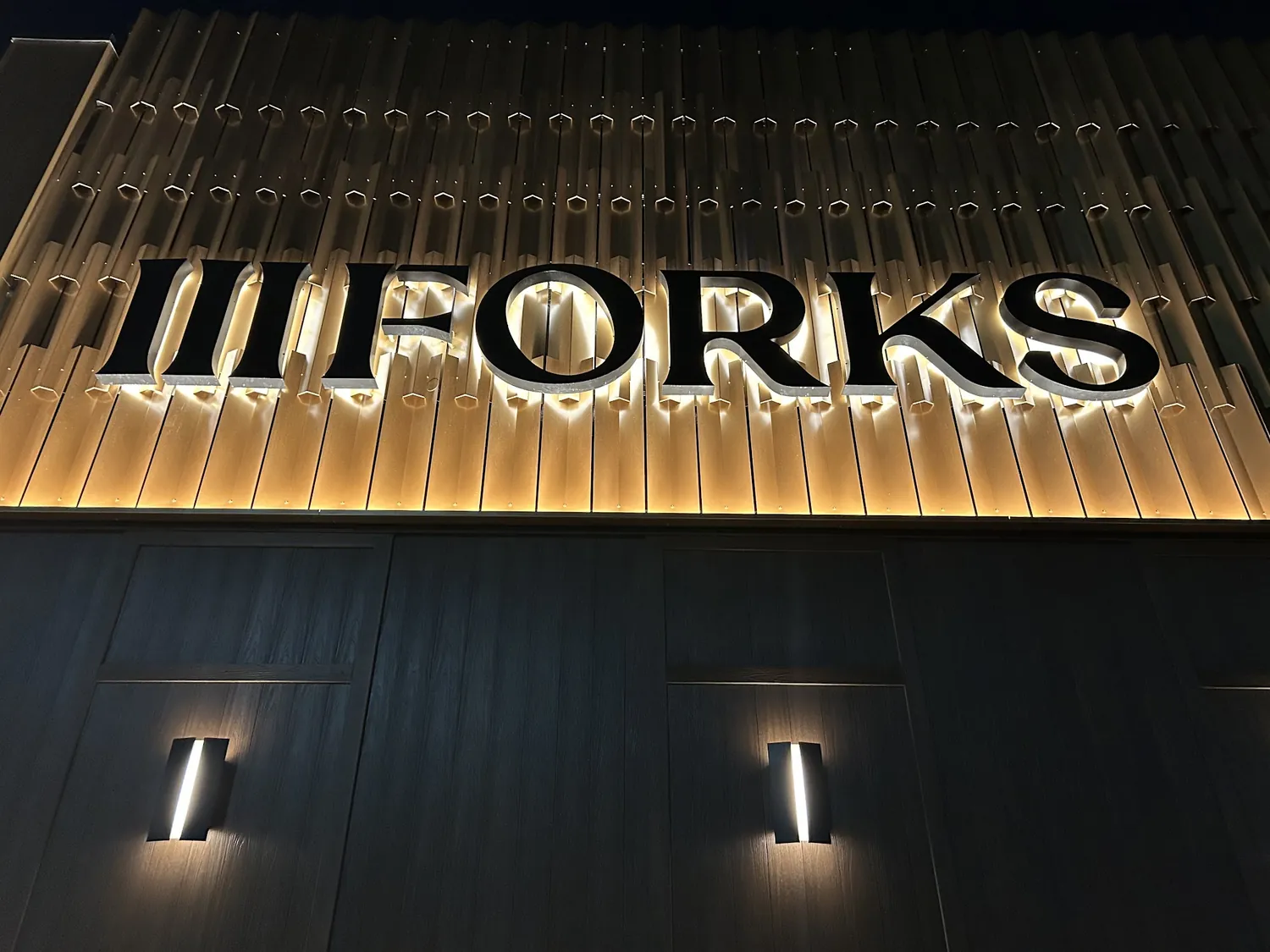
A half-lit sign at night is worse than a dark one. We keep LED and neon components fully functional so the sign reads the same at every location after dark.
Structural inspections
Mounting hardware, fasteners and cabinets take weather and time. Catching that on a schedule costs a service call. Catching it afterward costs a good deal more.
Display updates
Digital signage needs software and hardware attention to keep running smoothly, and it fails in ways a static sign never will.
Cleaning∣Lamp and LED Repair∣Structural Inspection∣LED Retrofit∣Face Replacement∣Digital Display Support
Six reasons signage stops matching itself
None of these show up in a quarterly report. They show up in a photo a district manager sends from a parking lot.
Nobody reports it
Store staff stop seeing their own sign within a week. A letter goes dark on a Tuesday and it is still dark in March, because reporting it is nobody's job.
One-off vendors, one market at a time
Calling a local shop per city means a new quote, a new crew and a new interpretation of your brand standard every time something breaks.
No record of what is on the wall
A technician arriving without the survey data, the specs or the mounting details is diagnosing from scratch, on your clock.
Reactive only
Waiting for failure means the sign is already wrong when you find out, and the repair happens on the worst possible timeline.
Old illumination nobody budgeted to replace
Aging lamps and ballasts burn more power and fail more often. Every year they stay up, they cost money twice.
Maintenance scoped after the rollout closed
Once a program is closed out, adding service becomes a new procurement instead of a line in a plan that already exists.
LED retrofits belong on a service visit
Older illumination costs money twice. It burns more power every night it stays lit, and it pulls a crew out more often when it fails. Most estates are carrying some of it.
Converting during a scheduled visit means one trip instead of two and no separate capital project sitting in a queue for two years. We cover what changes in the benefits of LED retrofitting and what it looks like across an estate in commercial LED retrofit at program scale.
See Sign Products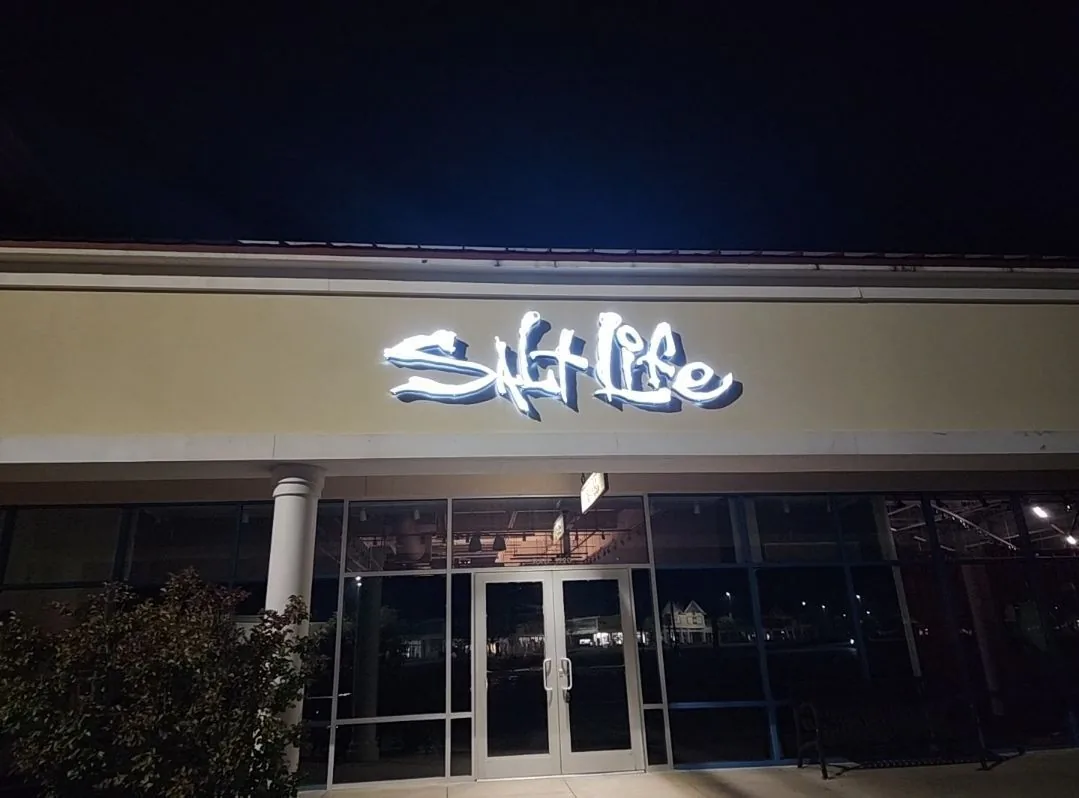
One team across the whole life of the sign
- The survey, specs and mounting details stay on file
- One point of contact for every location
- Scheduled inspections, so problems surface before failures
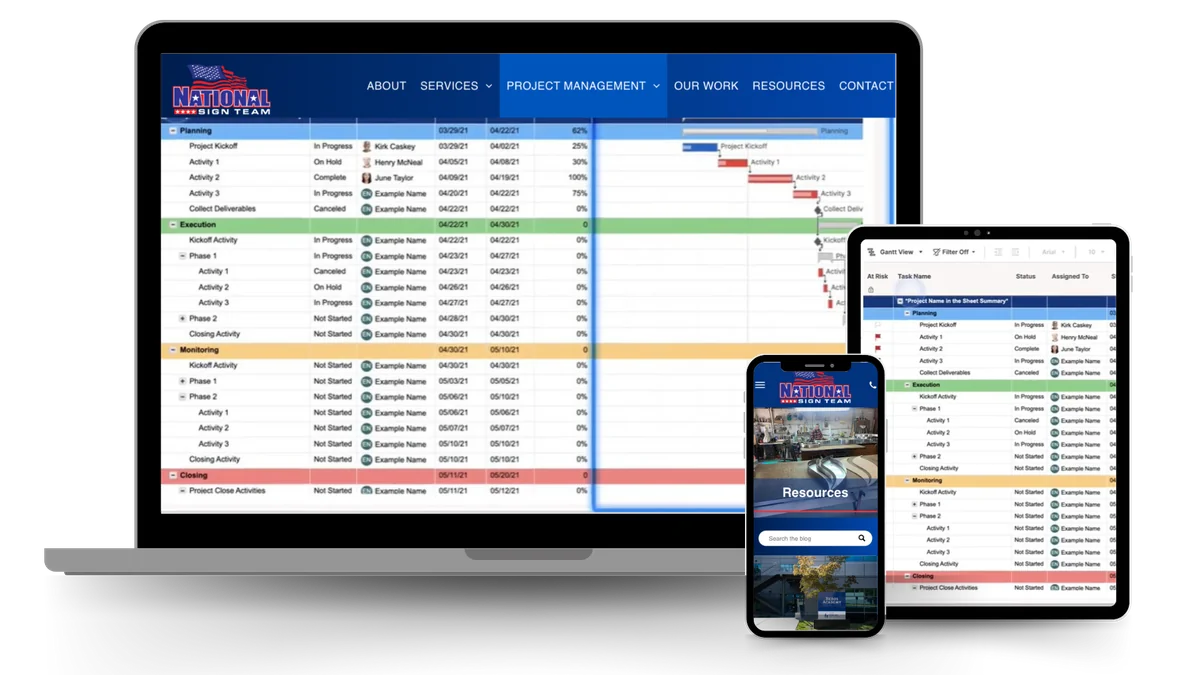
- Online project tracking with 24/7 access
- Coverage coordinated in markets where you have no crew
- The same team for rebranding and decommissioning
Estates we look after
More on keeping an estate to spec
Sign Inspection Checklist
What to walk through site by site, and what to write down when you find it.
The Benefits of LED Retrofitting
Where the savings come from when you convert existing illumination.
Commercial LED Retrofit at Program Scale
Running a retrofit across an estate instead of one sign at a time.
Maintenance Inside a Turnkey Program
Why service belongs in the original scope rather than a later procurement.
Sign Maintenance FAQs
What does a national sign maintenance program include?
Scheduled cleanings, lighting repairs to keep LED and neon components fully functional, structural inspections of mounting and cabinets, and software or hardware updates for digital displays. Across a multi-site estate it also means one point of contact and one set of records covering every location.
Why does sign maintenance matter more for multi-location brands?
Inconsistency compounds. A single dark or dirty sign reads as one bad day at one store. The same problem across a dozen locations reads as a brand in decline. Everything a rollout does to make signage consistent has to be held afterward, and that is the job of a maintenance program.
Should the company that installed our signs also maintain them?
It is a practical advantage. Whoever surveyed, designed and installed already holds the site data, the brand specs and the mounting details, so a service visit starts with the technician knowing what is on the wall.
Can existing signs be retrofitted to LED during maintenance?
Yes. Retrofitting older illumination to LED during a service visit reduces the energy the sign burns every night and how often it fails, and it avoids scoping a separate capital project later.
How often should multi-site signage be inspected?
It depends on climate, sign type and how exposed each location is, so the schedule gets set per estate rather than by a fixed rule. Coastal and high-exposure sites generally need attention sooner than sheltered ones.
Do you handle sign maintenance for restaurant, grocery and convenience chains?
Yes. National Sign Team manages signage programs for restaurant, retail, fitness, healthcare and self storage brands throughout the United States, and maintenance runs on the same program as the original rollout.
What happens when a sign fails in a market where you do not have a local crew?
Coverage works the same way the rollout did. We manage the work and coordinate the crew, so you deal with one project manager rather than sourcing a vendor in an unfamiliar market.
Can maintenance be added to a program that is already installed?
Yes. Estates we did not install can be surveyed and brought onto a maintenance program, starting with an inventory of what is on each site and what condition it is in.
Signs going dark faster than you can chase them?
Tell us how many locations you have and what shape they are in. We will survey what is out there and put it on a schedule, whether we installed it or not.