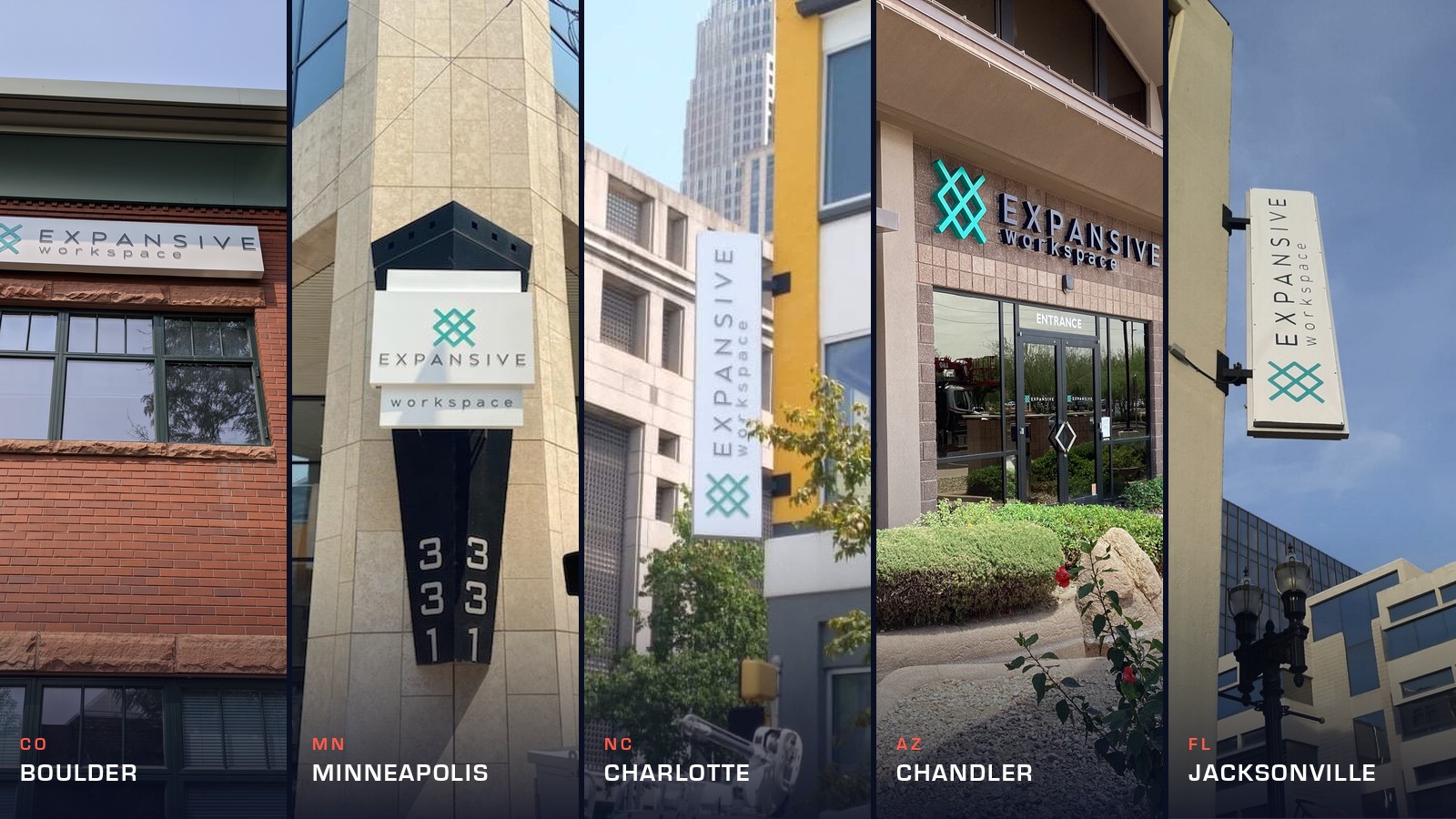
Opening a handful of locations in one city means learning one sign code. Opening them across five states means learning dozens, and each one runs on its own calendar.
Permits are where most multi-state rollouts lose their dates. The sign itself rarely holds anything up. What holds it up is a review board that meets once a month, a city that wants engineered drawings, or a landlord letter that has to arrive before the city will even accept the application.
Here's how a multi-state permit process stays on schedule.
What changes from one place to the next
Every jurisdiction regulates signs a little differently, and the differences stack up fast across a program:
- Size and placement. Allowed square footage, height, setbacks and how much of the storefront a sign can cover.
- Lighting. Some areas limit illuminated signs, brightness or hours.
- What goes in the application. Site plans, elevations, photos, landlord approval, and in some cases engineered drawings for freestanding signs.
- Who can file. Some places require a locally licensed contractor on the application.
- How long review takes. A counter approval in one city, a design review board in another.
A sign package that sails through in one market can come back with corrections in the next.
Research every address before the design is final
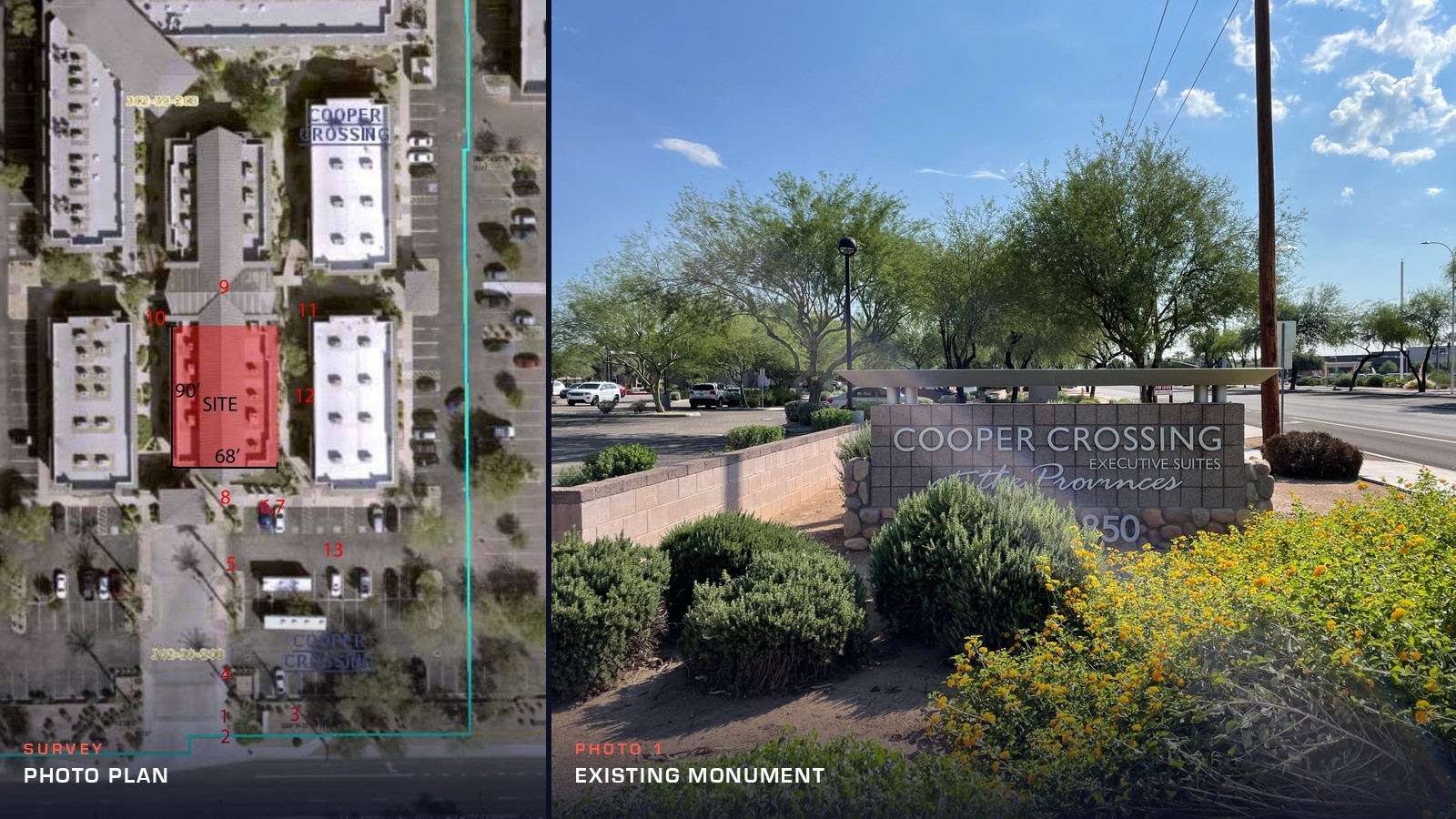
The cheapest time to find a code problem is before anyone draws the sign. We research the code for each address during the survey phase, so the design you approve is one each city will accept.
That research also tells you which locations will be slow. A store headed for a historic district or a monthly review board needs to start first, even if it isn't the first store to open.
Sequence by lead time
Order the permit work by how long each jurisdiction takes. Opening dates still matter, but a store opening in March in a slow city may need to be filed before a store opening in January in a fast one. Permit stores in opening order and the fastest cities finish early while the slowest ones hold up the last openings.
Send complete packages
Incomplete applications are the most common avoidable delay. A missing landlord letter or a drawing without dimensions sends the file back to the bottom of the pile. A complete package for each address usually includes:
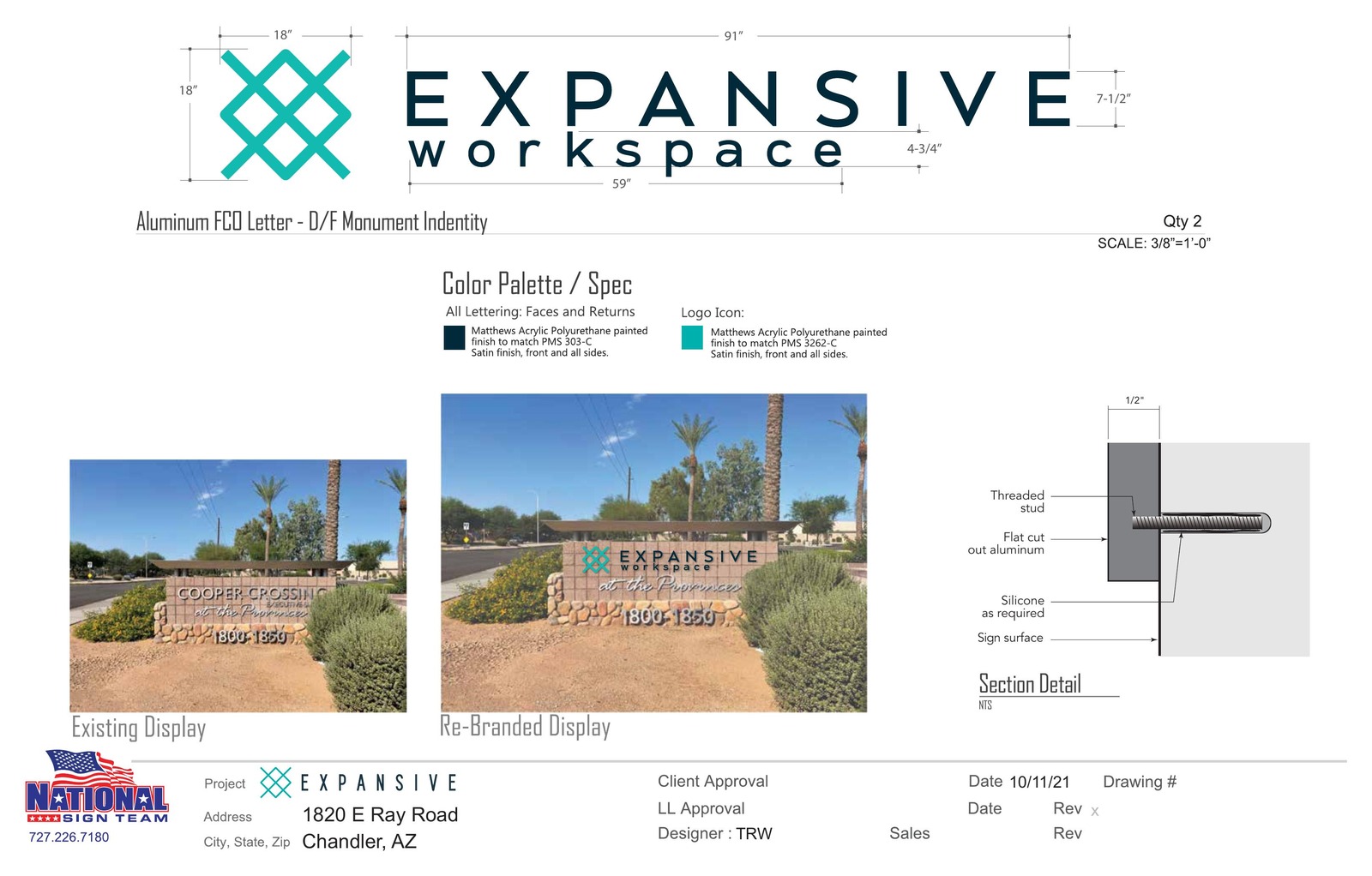
- Scaled drawings with dimensions, materials and lighting
- A site plan and storefront elevations showing placement
- Photos of the existing conditions
- Landlord or property manager approval
- Engineered drawings where the jurisdiction requires them
Track every location in one place
On a program with dozens of addresses, permit status changes every week. Someone has to know which applications are filed, which came back with comments and which are approved and ready for production. At National Sign Team, one named project manager tracks every location. Status lives in Smartsheet, where you can check it any time, and your project manager still calls, texts and emails you when a decision is needed.
Leave room for corrections
Even a complete submittal can come back with comments. Build room into the schedule for one round of corrections in the slower jurisdictions, and answer them fast. A correction answered the same week keeps its place in the queue.
Close out every permit
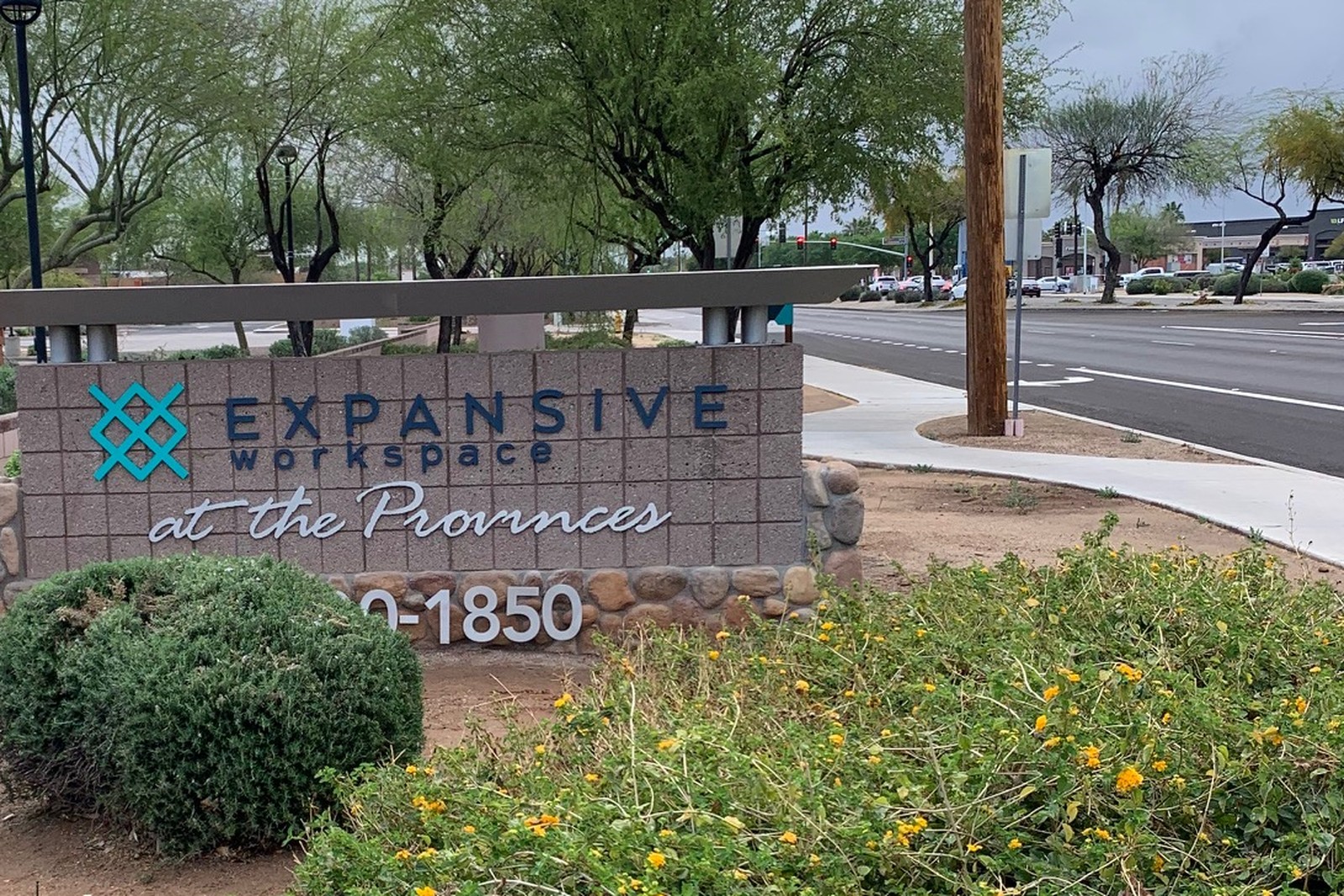
Many jurisdictions require a final inspection after installation, and an open permit can cause trouble for the next project at that address. Make sure every permit is inspected and closed out, with completion photos on file.
Common questions
Do sign permits carry over from one city to the next?
No. Each permit is issued by the local jurisdiction for one address and one design. An approval in one city tells you very little about the next one.
Can a sign permit be filed before the lease is signed?
The application usually needs the property owner's approval, which typically means the lease is in place. Code research can start earlier, and it's worth doing before you commit to a site.
Who files the permit, the brand or the sign company?
On a managed program, the sign company researches the code, prepares the package and files it, with approval from the landlord. The brand approves the design and keeps decisions moving.
What happens if a city sends the design back?
It usually comes back with comments on what to change, such as size, placement or lighting. The design gets revised and resubmitted. Researching the code before the design is final makes this much less likely.
Where this fits
Running permits in parallel across every market, with one team accountable for all of them, is a big part of what national sign companies do for multi-location brands. For the step-by-step on a single rollout, see our guide to sign permitting for national rollouts, and how we handle signage project management from survey to completion photos.
Planning locations in more than one state?
Send us the addresses and target dates. We'll come back with the permitting picture for each market and a plan that files the slow ones first.