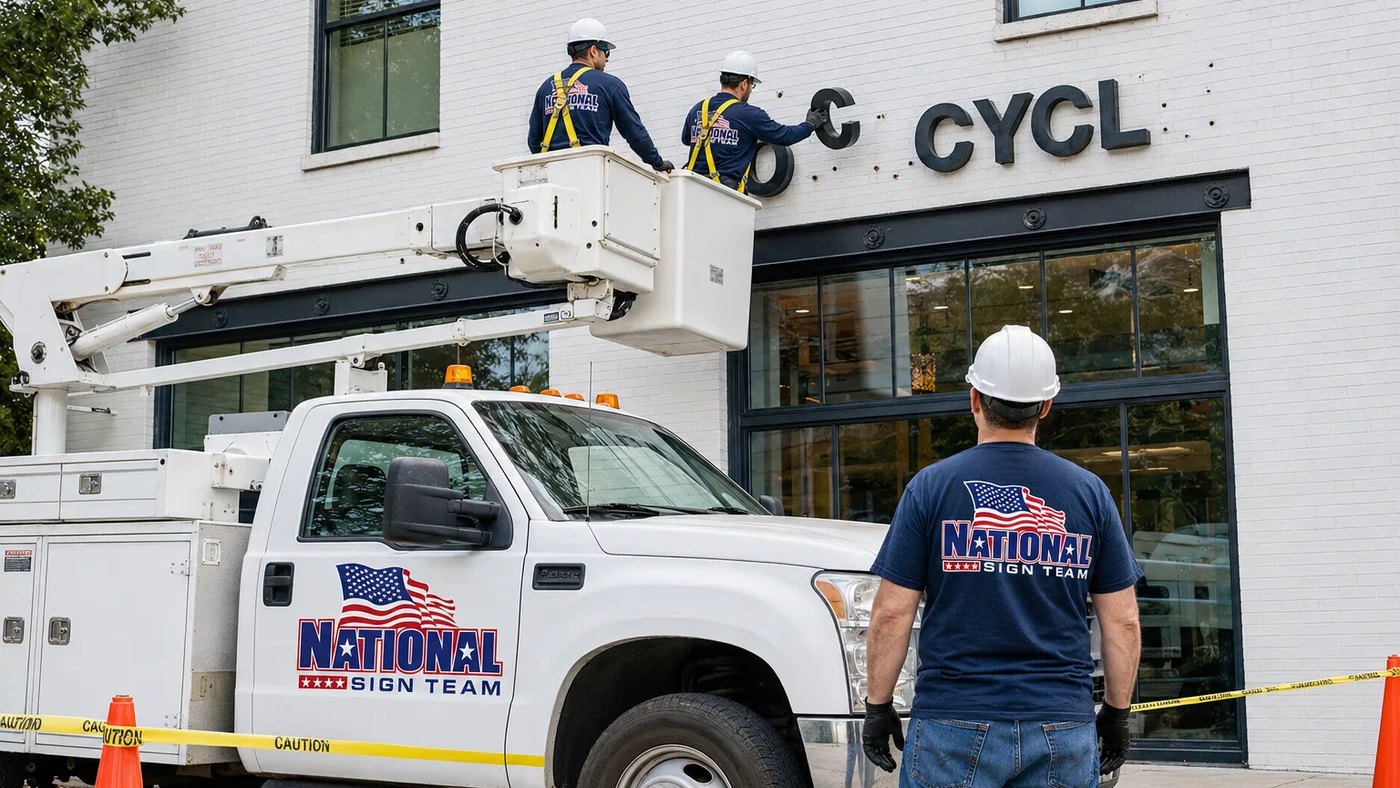
A building signage rollout across 20 stores is a different job from one store done 20 times. One store is a few questions. Twenty stores means permitting, design and planning multiplied, because each location changes things just a little bit. Most brand signage rollouts that go sideways do so because someone treated location one as the template and assumed the other 19 would follow.
This is how those small differences add up, and how we structure a program so they don't.
Where each store quietly changes the job
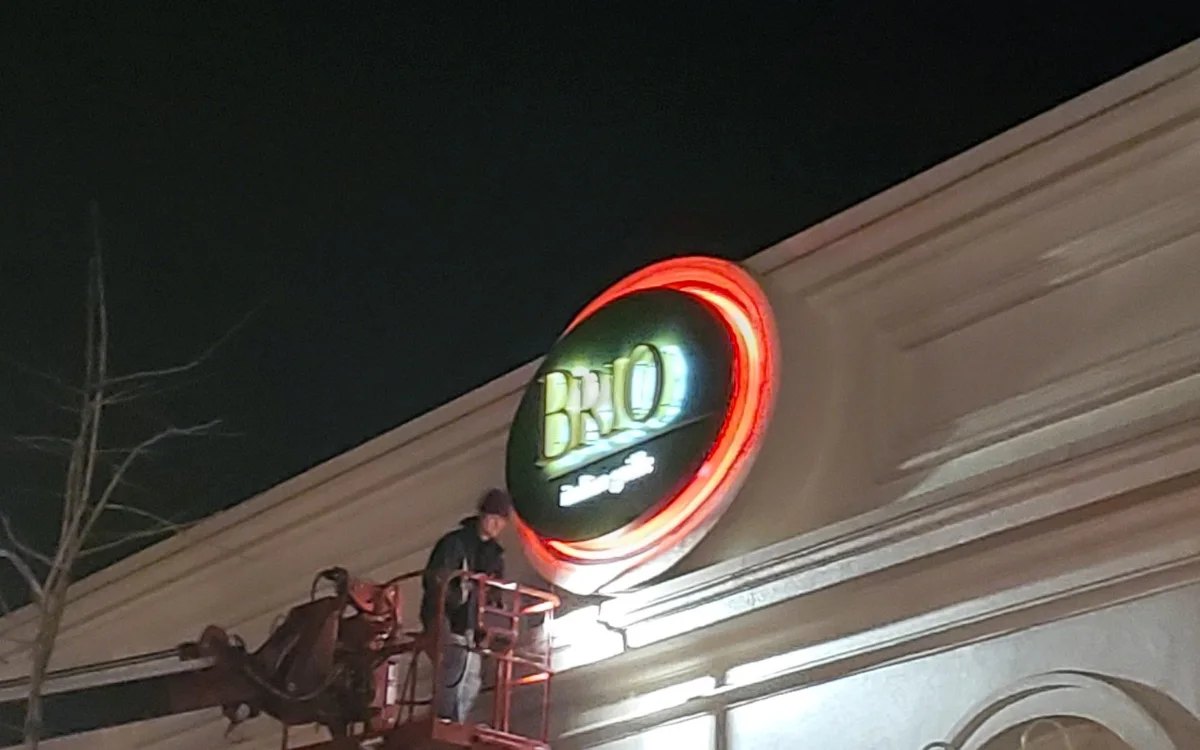
The storefront sign is the part everyone pictures. It's also the last step of a process that starts months earlier. At each site, a handful of variables shift.
Municipal code. Allowable sign area is often tied to linear frontage, so a 40-foot storefront and a 24-foot storefront get different maximums under the same brand standard. Some cities cap illumination hours or brightness. Historic districts can restrict materials and colors outright.
Landlord criteria. Most leases carry a sign exhibit. One center requires letters mounted on a raceway. The next one requires flush-mounted letters with remote power supplies. A third limits you to a single color for every tenant.
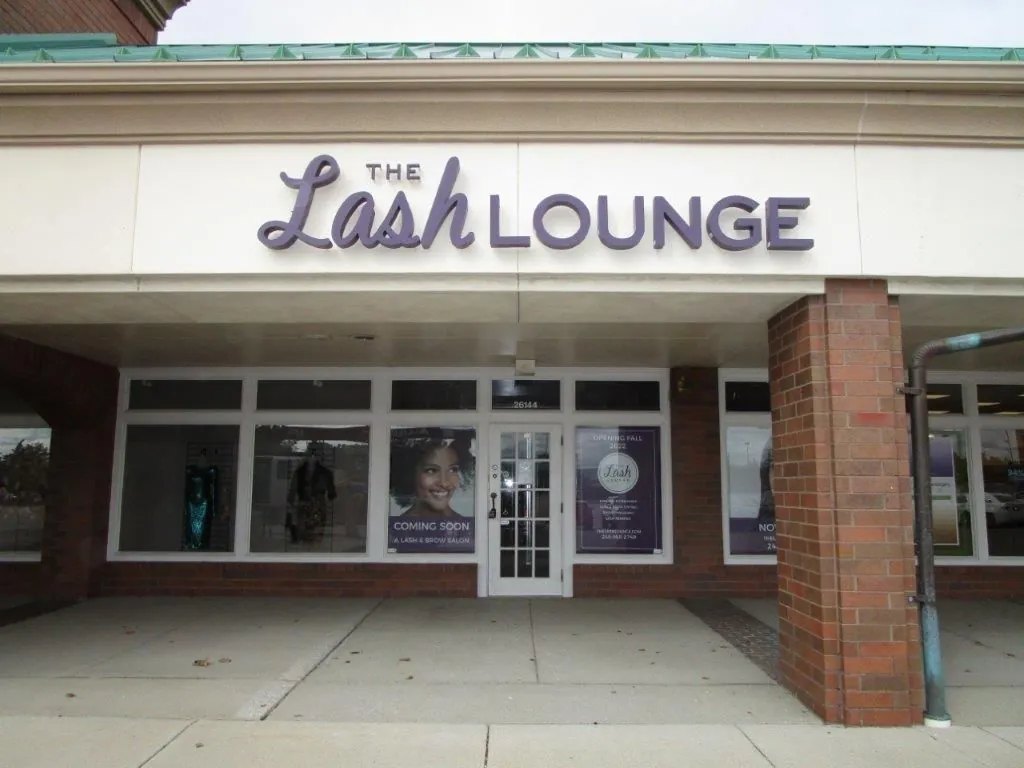
Site conditions. Fascia material, where the electrical sits, and whether a monument or pylon slot exists all vary. Setbacks change where a freestanding sign can go, and sometimes whether it can go in at all.
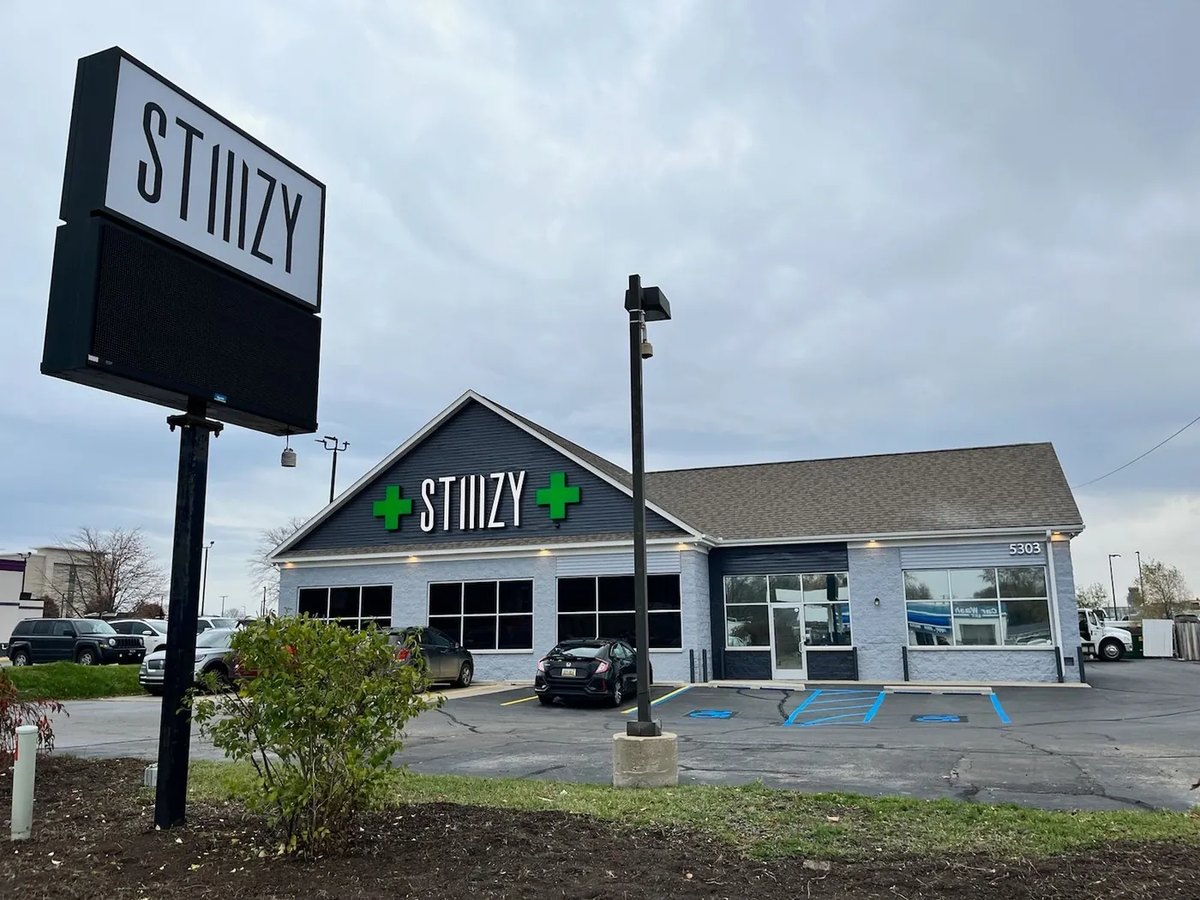
Permit timelines. In our experience, approval can take two weeks in one jurisdiction and four months in the next. A rollout schedule built on an average will be wrong at both ends.
None of these is hard on its own. The trouble is that a 20-store program carries all of them at once, in different combinations.
How one-at-a-time handling breaks down
Here's a pattern we see often. A brand hires a local fabricator who did a good job on the first store. The same drawings go out for the next ten.
At store seven, the city caps sign area below what the drawing shows. The letters get redesigned and refabricated. That store slips six weeks. Store nine's landlord rejects the raceway. Store twelve has no power at the fascia.
Each problem gets solved as it surfaces. Nobody sees all twenty at once, so the same kind of problem keeps surfacing. The owner of our company puts it plainly: if you have a guy who makes signs and 20 stores, you are in trouble.
How a managed rollout handles the variables
The fix is sequence. We front-load the questions so they get answered before anything is built.
1. Survey every site first. Each location gets measured and photographed before design is final. The survey records frontage, fascia, power, mounting conditions and any freestanding sign opportunity. That gives you twenty real data sets to design from.
2. Build one master package with site variants. The brand standard stays fixed. Each store gets its own drawing sized to its code allowance and landlord exhibit. Customers see a consistent brand, and each permit set matches its jurisdiction.
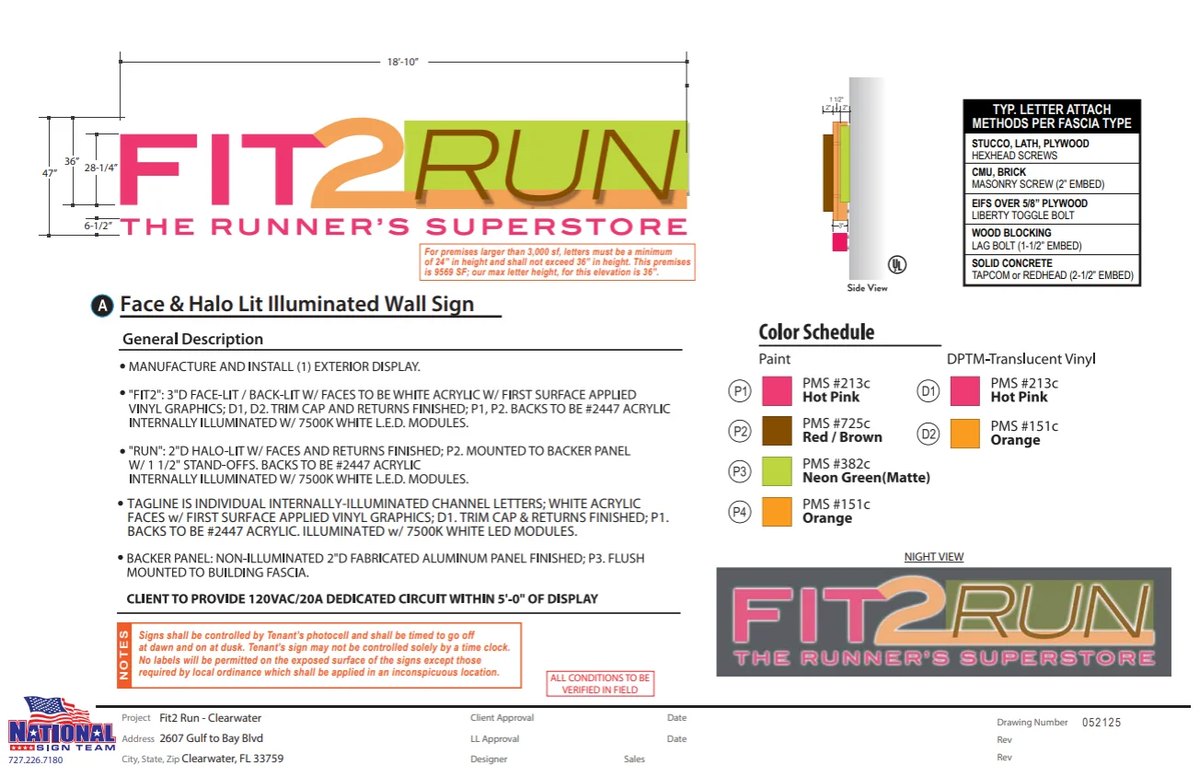
3. Submit landlord approvals and permits in parallel. Long-lead jurisdictions go first. Every submission is tracked by store, with dates, so you know which sites are cleared to fabricate and which are waiting.
4. Build against approvals. Nothing goes into production until its drawing is approved. That one rule prevents most of the cost of remaking signs.
5. Phase installs so stores stay open. Installs get scheduled around trading hours and grouped by region to keep crew travel efficient.
We've written more about this sequence in our design-to-installation process about why experienced project management carries a program like this, and about how we run multi-site signage programs.
What to ask before you award the work
If you're shortlisting partners for a multi-location program, these four questions surface the difference quickly:
- Will every site be surveyed before final design, and who does the surveys?
- How are permits and landlord approvals tracked per store, and will I see that tracker?
- Who is my single point of contact when store nine has a problem?
- What happens to the schedule when one jurisdiction runs long?
A partner who has run multi-location work will answer each one with a process and a name. For more on how storefront work fits into a full program, see our page on storefront signs for multi-location brands.
Plan the program before the first store
The earlier we see your full site list, the more of those small differences get caught on paper, where they're cheap to fix. Send us your locations and target open dates, and we'll map the permitting and phasing for the whole rollout. Start your project here.